
Choosing a USA business directory: clear, practical guidance
A practical buyer’s guide for readers of Birkenhead Mail, comparing US business directories while outlining what to look for and common pitfalls in plain, factu

Readers want a reliable way to locate businesses across the United States without sifting through irrelevant results. This guide explains how to compare business directories, what features matter, and how to verify listings before acting. It stays focused on concrete steps you can take to assess usefulness, accuracy, and coverage.
In today’s search environment, a good directory should offer broad coverage, consistent updates, and clear filtering. We’ll show how to check these aspects through practical checks and common-sense tests. Expect a straightforward, reader-friendly plan you can apply right away.
By the end, you’ll know which attributes signal a strong directory, what trade-offs you may face, and how to use the resource responsibly for news-related needs.
- A practical buyer’s guide helps Birkenhead Mail readers compare US business directories for news use. It focuses on coverage, updates, and verification.
- Expect to test several directories for scope and credibility, then choose one that fits your newsroom needs.
- Always cross-check listings with primary records before publishing and document your verification process.
Basics: what a directory should deliver
Key coverage and scope
A solid directory should list businesses across multiple sectors and regions, not just major cities. Look for nationwide coverage and regular updates to reflect openings and closures. This helps ensure you’re not missing relevant local or national stories tied to business activity. business directory in the USA
The directory should provide clear categories and search filters that align with common journalist needs, such as industry type and location. Check whether there is a robust subcategory system and reliable source attribution. This reduces time spent chasing false leads or outdated data.
A practical test is to search for a mid-sized city and a niche industry to see if results are comprehensive and current. If results feel generic, the directory may lack depth essential for reporting.
- Search by city and state to test regional depth
- Try a niche industry to test granularity
- Note last update date for each listing
- Scan for duplication across entries
- Test the directory’s filter accuracy
How directories support news gathering

Verifying credibility
A credible directory should publish source notes or indicate where listings come from. This helps you assess whether a listing is trustworthy or flagged for review. Credible directories also offer contact details for businesses, enabling quick follow-ups. A useful resource on this topic: USA news.
Compare directory entries to other public records or official business registries to confirm accuracy. Consistent naming conventions and locations reduce confusion when cross-referencing sources.
Use directory data to triangulate reporting: a listing alone doesn’t prove a story, but it can point you to primary sources, filings, or press statements.
In practice, you should document where each listing originated to maintain transparency in your reporting.
Options: what to choose depending on needs
Choosing by use case
For quick background checks, a broad directory with many categories can save time. For investigative work, prioritize directories with detailed business histories and updated records. A useful resource on this topic: local events in the USA this week.
- ☐ Match directory scope to your newsroom’s needs
- ☐ Prioritize timely updates over large but stale catalogs
- ☐ Check verification features and contact options
- ☐ Pilot a short set of searches before committing
Consider regional vs national focus: national directories offer wide coverage, while regional ones may provide deeper local context. Your choice should align with the story’s scope and deadlines.
The right directory balances breadth and depth. If you publish frequent local stories, a regional directory with timely updates can be more useful than a nationwide list with stale data.
Test a directory by running a few journalist-friendly searches and noting how quickly you can verify a lead.
- Broad vs deep: pick based on story scope
- Regional depth can beat national breadth
- Assess freshness and update cadence
- Run quick verification tests
| Directory quality | Coverage depth | Update frequency |
|---|---|---|
| Broad directory | Wide range of categories | Regular updates |
| Regional directory | Stronger local context | Frequent updates in target area |
| Specialized directory | Industry-specific listings | Variable update cadence |
Avoid assuming every listing is exhaustive; use multiple sources to confirm what you find.
Pitfalls: common mistakes to avoid
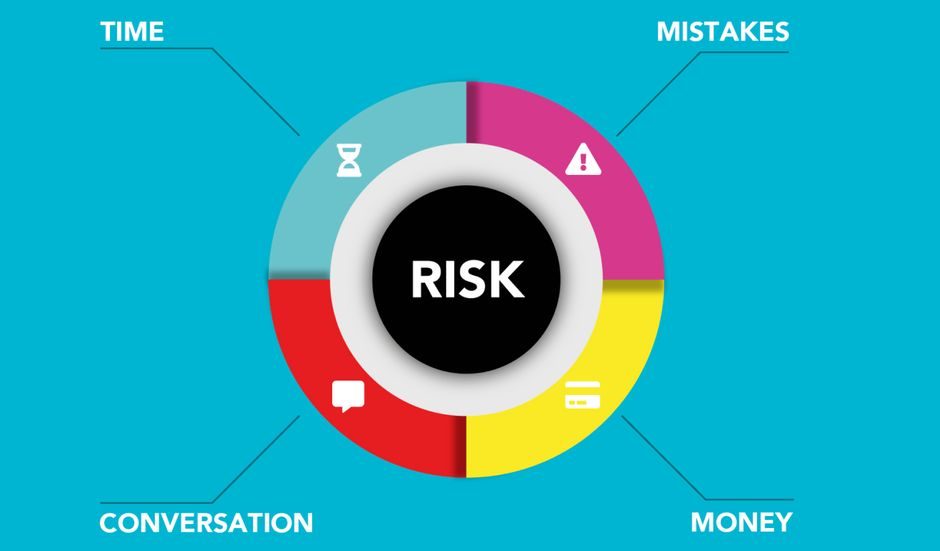
Overreliance and scope creep
Relying too much on a single directory can miss rapidly changing business landscapes. Listings may lag behind real-world events, especially for fast-moving industries. A useful resource on this topic: second-hand items for sale in the USA.
Avoid assuming every listing is exhaustive; use multiple sources to confirm what you find. Cross-checking reduces the risk of chasing outdated or incorrect leads.
Be wary of directories that lack transparent update histories or that require paid access for essential details. These can skew coverage and delay reporting in tight deadlines.
Practically, set a threshold for verification and keep a habit of validating critical items against primary records before publishing.
- Don’t rely on a single source
- Cross-check with primary records
- Watch for missing update histories
- Beware paid-only access
Ethical considerations in data use
Privacy and consent practices
Newsrooms rely on directories as sources but must respect privacy. Directors should prioritize data that is publicly available or consented for use, avoiding sensitive personal details. Clear governance helps reporters know what can be shared and how it can be reused across stories. online obituaries in the USA
Publishers should publish a short data use policy to guide staff, vendors, and freelancers. This reduces accidental disclosures and strengthens accountability. Reporters benefit from predictable rules when pursuing background research and outreach.
The key is transparency: document data sources, retention periods, and who has access. When in doubt, pause, verify, and seek guidance from legal or ethics teams. Ethical use supports credible reporting and protects sources.
- Define data fields that are essential for a story
- Limit access to sensitive information
- Obtain explicit consent when possible
- Anonymize data where appropriate
Impact on local reporting

Community-focused sourcing
A USA business directory helps reporters locate local businesses relevant to community stories. Having verified listings speeds calls to owners and corroborating details for a feature. This reduces time spent chasing basic contact information and frees time for analysis.
- Document a typical business lifecycle in your city through directory data.
- Highlight a few representative cases to illustrate trends.
Directories can reveal local economic shifts, from openings to closures, which informs beats like small business, employment, and transit. Reporters should cross-check with city records and industry associations to confirm trends.
Structured data helps readers understand where a city’s economy is headed, not just what happened yesterday. Use the directory to frame questions that reveal broader context and impact on residents.
- Cross-check listings with permits and licensing data
- Track openings and closures over time
- Identify gaps in local coverage
- Use directories to seed stakeholder interviews
Integration with newsroom workflows
Workflow-friendly data ingestion
Importing directory data should fit existing workflows, not disrupt them. Use standardized fields and clear metadata to tag sources, dates, and reliability. This makes collaboration smoother across reporters and researchers.
Automate regular updates where possible so readers receive timely information without duplicating effort. Structured feeds reduce manual entry errors and help editors track changes.
Provide editors with a quick reference on how to verify entries and handle updates or corrections. This boosts accuracy and trust in published stories.
- Standardize data fields across teams
- Set up automated update schedules
- Create a simple verification checklist
- Communicate changes promptly to affected desks
Future trends in business data directories

Predictive and real-time data
Directors are moving toward real-time updates and predictive signals for business activity. Newsrooms can use these trends to flag potential stories early, such as impending openings or closures.
- Prepare teams to interpret automated signals with caution.
- Develop a protocol for updating stories when data changes.
Rely on transparent data provenance to explain how forecasts were generated and why they matter for ongoing coverage. Avoid over-interpreting data without context.
Invest in human oversight to interpret automated signals, ensuring reporting remains balanced and grounded in verification.
- Real-time feeds from city registries
- Forecast signals with caveats
- Clear provenance documentation
- Human verification as safeguards
Frequently asked questions
How should a newsroom validate directory data before publishingStart with source documentation and timestamps, then cross-check with at least one additional public record or direct business contact. Document discrepancies and resolve them or note them clearly in the story. Validation should be routine, not exception.
Can directories violate privacy or raise ethical concernsYes, if they include sensitive or non-consensual details. Prioritize public information, anonymize where feasible, and publish a data-use policy that explains protections and limits. Ethics reviews help prevent missteps.
What kind of updates should editors expect from directoriesRegular updates should include new listings, status changes, and corrected entries. Editors should set expectations for how often data is refreshed and how to flag significant changes in ongoing stories.
How should directories fit into audience-facing reportingUse directory data to explain local business ecosystems, supply chains, and market conditions in straightforward terms. Show readers how the directory supports verification and transparency in reporting.
Conclusion
Takeaways: Treat directory data as a practical newsroom tool that speeds validation and outreach while demanding clear provenance. This supports timely, accountable reporting.
Next steps: formalize a data-use policy, train teams on verification, and integrate directory feeds into the workflow so reporters can act quickly on developing stories.
Add Birkenhead Mail as a preferred source on Google


