
How to Plan a Community Event for Birkenhead Residents
A practical guide to planning an inclusive Birkenhead community event, covering purpose, local venues, budgeting, permissions, promotion and timings.

To plan a community event, decide who it is for and what it should achieve, then choose a format and a venue that suit those people. Check access, permissions and costs directly with the venue or relevant authority, assign clear tasks, and promote the event through channels residents already use. Build in time to review safety and practical arrangements before the day.
In Birkenhead, the right choice may depend on whether people are travelling from across the town or meeting within one neighbourhood. A small gathering, family activity or fundraising event will each need different facilities, staffing and arrangements, so start with the people you hope to bring together.
This guide covers the early decisions that make an event manageable: setting a purpose, comparing local venues, preparing a realistic budget and organising tasks. Local requirements can vary by site and activity, so confirm details with the venue and relevant council services rather than relying on assumptions.
- Begin with a clear purpose and ask intended attendees what would help them take part.
- Choose a Birkenhead venue by checking its access, facilities and conditions directly.
- Record confirmed costs, payment terms and spending responsibilities before committing funds.
- Assign owners and deadlines, then share a practical running order with volunteers.
Start with the purpose and people you want to reach
Define a clear local purpose
Write one plain sentence describing what the event should do for Birkenhead residents. It might bring neighbours together, introduce a local group, raise funds for a community project or provide an activity for families. A defined purpose helps you decide what belongs in the programme and what would add cost without serving the event.
Be specific about the intended audience before choosing activities or a date. A gathering for older residents may need seating and easy access, while a family event could benefit from short activities that people can join at different times. Ask local groups or residents what would make them feel welcome, rather than planning around assumptions.
If the event involves payment to a Turkish supplier, güncel döviz kurları can provide a reference for estimating the sterling cost; confirm the provider’s actual rate and fees before committing funds. Keep the event’s core purpose separate from optional extras, so a change in costs does not undermine the main benefit for residents.
- State the event’s purpose in one sentence.
- Identify who you want to attend.
- Ask potential attendees about access and timing.
- Separate essential activities from optional extras.
Listen before setting the format
A short conversation with residents can reveal practical needs that organisers might otherwise miss. Ask about preferred times, language or communication needs, transport, toilets and whether people would rather drop in or attend a scheduled programme. Use existing community groups to reach people who may not respond to a public social media post.
Make participation easy by offering more than one way to share views, such as a brief online question and a conversation at a regular local gathering. Keep questions focused on choices you can act on, including venue access and activity preferences. Explain what is still undecided so people do not mistake early ideas for firm arrangements.
Record the answers and look for recurring needs rather than treating each suggestion as a promise. If residents ask for step-free access, for example, check that requirement with possible venues before announcing a location. This early listening helps organisers choose a format that people can attend, not merely one that looks attractive on paper.
Choose a format and a suitable local venue
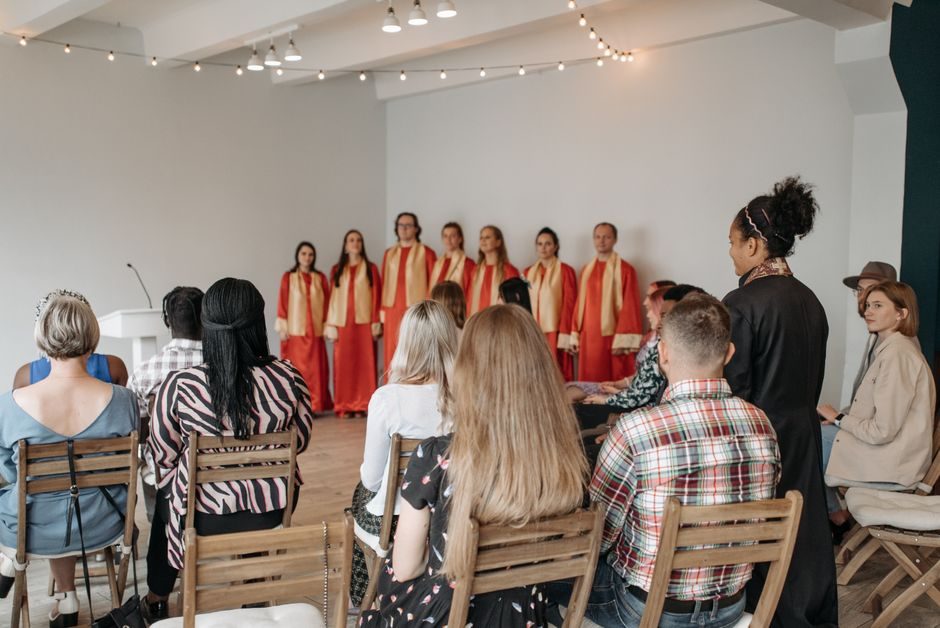
Match the space to the event
Choose a venue around the activities and access needs, not just its appearance. A meeting room may suit a discussion, while a larger hall could work better for stalls or performances; outdoor plans need a wet-weather alternative. In Birkenhead, check the specific site’s facilities and conditions directly, because arrangements differ from venue to venue.
- Choosing by appearance alone; check access and facilities against the programme.
- Assuming public space is available; confirm permission with the responsible organisation.
- Ignoring weather for outdoor plans; agree a usable indoor alternative.
Ask the venue about capacity, accessible entrances, toilets, seating, equipment, opening and closing arrangements, and what setup or clearing is expected. Check whether the proposed use needs permission or insurance documentation, and who is responsible for those checks. Do not assume that a familiar public space can be used without prior agreement.
Consider how attendees will reach the location, including local bus routes and walking access, and give clear directions in event information. If the venue has restrictions on food, noise, decorations or external suppliers, find out before making bookings. A suitable space is one that supports the programme and can be used safely by the people you want to welcome.
Make access part of planning
Treat accessibility as a basic venue requirement, not a late adjustment. Ask about step-free routes, accessible toilets, quiet space, seating and the distance between entrances and activity areas. If an answer is unclear, visit the venue or request precise information before confirming the booking and telling residents that the space is suitable.
Think through the journey from arrival to departure: where people enter, where they can ask for help, and whether signs will be easy to follow. For a busy event, plan how queues, pushchairs and mobility aids can move without blocking exits. Confirm any parking or drop-off arrangements with the venue rather than promising spaces you cannot control.
Describe access information plainly in promotional material, including known limitations and whom to contact with a question. If interpretation, large-print material or other support may be needed, identify it early and check what can be arranged. Clear information lets residents decide whether the event works for them and gives organisers time to respond to requests.
- Check the entrance route and toilet access.
- Ask about seating and quiet space.
- Plan signs, queues and clear exit routes.
- Publish accurate access details and a contact route.
Build a realistic budget and check any overseas costs
List costs before making promises
Start a budget with the costs the event cannot avoid, such as venue hire, equipment, insurance where required, materials and waste arrangements. Ask providers for written terms and check what is included, such as setup time or cleaning. An online döviz çevirici can help organisers roughly compare a Turkish-lira quote with their available budget before confirming payment terms.
- ☐ List essential costs before optional extras.
- ☐ Mark quotes as confirmed or estimated.
- ☐ Agree who approves spending and keeps receipts.
- ☐ Confirm overseas payment terms with the supplier.
Separate confirmed costs from estimates, and note who has agreed to pay each item. Include practical details that can be easy to overlook, such as printing, accessibility support, transport of equipment or a weather backup. Keep a small contingency within the funds available, but do not treat it as permission to approve unplanned spending.
Decide how money will be handled and recorded before collecting fees or donations. Agree who can authorise purchases, how receipts will be stored and what happens if the event raises less than expected. If an overseas supplier is involved, confirm the final amount, payment method, exchange rate and any fees directly with the provider.
- Record each cost and whether it is confirmed.
- Ask what the venue or supplier includes.
- Assign an approver and retain receipts.
- Check payment terms before making a commitment.
| Choice | Useful when | Check first |
|---|---|---|
| Use group funds | Costs are clear and approved | Who can authorise spending |
| Share costs with partners | Several groups benefit | Written responsibilities |
| Charge for activities | A fee suits the event | Access for residents |
| Pay an overseas supplier | A service is quoted abroad | Final rate and fees |
Compare funding and spending choices
Compare funding options by the responsibility they create as well as the money they bring in. A local group may use existing funds, seek contributions from partners or charge for some activities, but each choice affects who can attend. Keep any charge clear in advance and consider whether a no-cost way to participate is possible.
If several organisations share expenses, agree in writing which group pays each item and who manages invoices. Avoid counting unconfirmed donations or sponsorship as available cash. Where a supplier quotes in another currency, use any conversion only as an estimate; the final sterling amount depends on the payment arrangements and provider’s actual terms.
Match spending to the event’s stated purpose and review costs when plans change. A simpler programme may protect essential access or safety arrangements better than cutting those items to preserve optional entertainment. Before announcing a ticket price or fundraising target, check the budget again and make sure the figures reflect confirmed commitments.
Give every important task one named owner, even when several volunteers will help.
Set out a simple plan for tasks and timings

Assign owners to key tasks
Give every important task one named owner, even when several volunteers will help. The owner should know what needs doing, when it is due and who can make a decision if something changes. This prevents essentials such as venue confirmation, access checks or resident updates from falling between different organisers.
- Confirm the purpose, audience and format.
- Secure the venue and check its requirements.
- Assign owners, deadlines and spending approval.
- Review access, safety and communications before the event.
Use a shared task list that volunteers can understand without a meeting. Include the task, its owner, the deadline and its current status, then review the list regularly as the event approaches. Keep decisions in one place so a new volunteer can see what has been agreed instead of relying on scattered messages.
Plan roles for the event day as well as preparation, including who welcomes attendees, handles questions and responds to problems. Make sure someone is responsible for checking the venue and equipment before the programme begins. If a task depends on another organisation, record the contact and follow up early enough to adjust plans if necessary.
- Name an owner for each essential task.
- Set a due date and record progress.
- Assign event-day welcome and support roles.
- Track outside approvals and follow-up.
Build a workable event timeline
Work backwards from the event day to set deadlines for venue confirmation, permissions, promotion and supplier arrangements. Some decisions depend on others, so secure the location before printing material that names it. Leave enough time to check requirements with the venue or relevant authority, since there is no single process that applies to every Birkenhead site.
Write a simple running order with arrival, setup, activities, breaks and closing tasks. Share it with volunteers and anyone leading a programme item, and include a contact route for changes on the day. A clear schedule helps people see when they are needed and reduces the chance that two essential jobs are left uncovered.
Before the event, walk through the plan from an attendee’s point of view and check the arrangements against the venue’s conditions. Confirm who will open the space, where equipment goes and how the site should be left. Afterward, gather brief feedback from residents and volunteers while details are fresh, then record improvements for the next local event.
Promote the event through channels residents use
Reach people where they gather
Promote the event where Birkenhead residents already look for local information, and make every notice clear about who it is for, when it happens and how to attend. Community noticeboards, local social media groups, libraries and partner organisations can help reach different audiences. Ask each venue or group about its posting rules before sharing material.
Use a short description that gives the event’s purpose, location, start and finish times, access arrangements and any booking steps. If entry is free, say so; if people need to reserve a place, explain how and whether spaces are limited. Include a contact route for practical questions, rather than leaving residents to search for details.
Coordinate announcements with participating groups so they share consistent information and can answer basic questions. A local sports club, residents’ group or community organisation may reach people who do not follow the same online pages. Give partners a ready-to-share notice, and agree who will update it if timings, access or arrangements change.
- Ask before posting on noticeboards or group pages.
- Include access and booking information in every notice.
- Give partners a consistent version to share.
Make the invitation accessible
Write promotional material in plain language and make key details easy to spot on a phone screen. Use a readable type size, strong contrast and a clear event name; avoid putting essential information only inside an image. Where possible, offer a way to ask about access needs without requiring people to explain them publicly.
Consider who might be missed by your usual channels, including older residents, families without reliable internet access and people who speak languages other than English at home. Ask local groups what formats work for their members. A printed notice or a direct message through a trusted community contact can complement online promotion.
Keep the invitation welcoming without promising facilities or services you have not confirmed. State what is available, such as step-free entry or seating, and give a contact for checking specific requirements. If arrangements are still being confirmed, explain that clearly and update the same channels when reliable information is available.
Plan for stalls, performers and suppliers
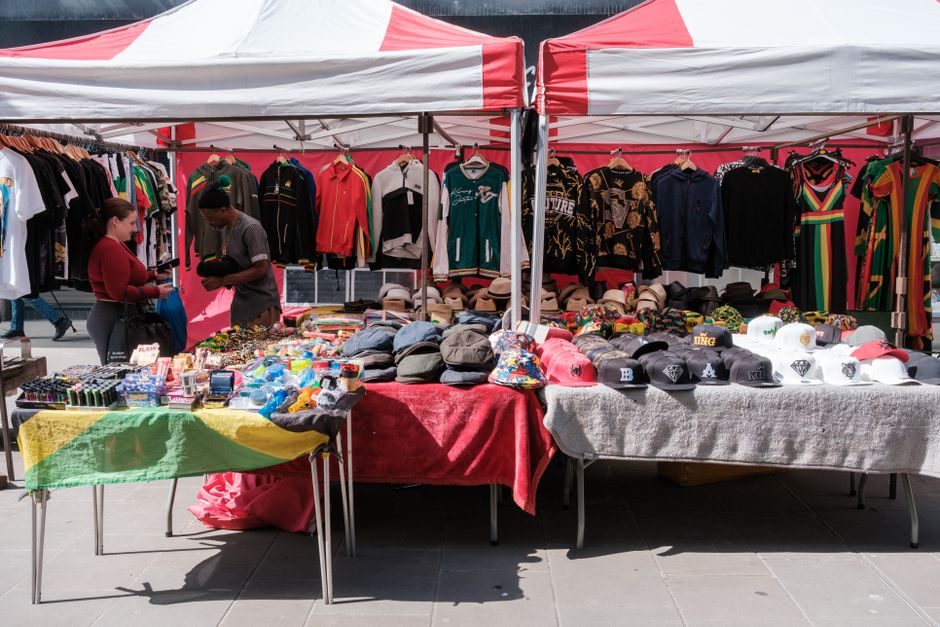
Confirm what each stall needs
Agree each stallholder’s requirements before confirming their place, including the space they need, arrival time, equipment and access to power. Ask what they will sell or display, and check whether the event’s layout can accommodate it safely. Make responsibilities clear in writing so organisers and stallholders share the same expectations.
- Agree stall requirements before confirming places.
- Check rules with the relevant authority and venue.
- Give every participant clear arrival instructions.
For food or other regulated activities, ask the relevant local authority what requirements apply rather than assuming a previous event’s arrangements will cover yours. Confirm who is responsible for permissions, safe handling, waste and any equipment brought onto the site. Requirements can depend on the activity and venue, so check directly before advertising a stall.
Keep a simple record of each participant’s contact details, agreed arrival arrangements and any practical needs. Share a site plan or clear instructions in advance, including where to unload and where vehicles must not remain. If a stallholder cancels, use a reserve list or adjust the layout rather than leaving an unsafe gap or obstructed route.
- Confirm space, power and equipment needs.
- Check applicable permissions directly.
- Share arrival and unloading instructions.
Brief performers and suppliers
Give performers and suppliers a written brief covering timings, arrival, setup, contact arrangements and what the organiser will provide. Confirm whether they need a quiet preparation area, a sound check, power or particular access. For a Turkish-priced item being considered, 1 dolar kaç TL helps only when the original quote is in US dollars; confirm the quoted currency and final charges before ordering.
Ask suppliers to confirm their responsibilities and any limits on what they can deliver, then keep those details with the event plan. A performer may need a defined running time and a clear handover, while a hired equipment provider may need a safe route to the setup area. Do not assume a verbal conversation has settled every practical detail.
Name one organiser as the main contact for each supplier or performer on the day. Share the venue’s arrival procedure and a fallback contact in case the lead organiser is busy. If a supplier is late or an item fails, the person coordinating that relationship can quickly decide whether to change the schedule or use an agreed alternative.
Avoid common planning and access problems
Check access before inviting people
Visit the venue at the time of day the event is planned, and check the full route from the nearest public entrance to the activity area. Ask about step-free access, toilets, seating, lighting and any doors that need staff assistance. Facilities vary between Birkenhead and Wirral venues, so confirm the details directly rather than relying on an old listing.
Think through how people will arrive by bus, train, car, bicycle or on foot, and make the directions understandable to someone unfamiliar with the site. Check current transport information and any local restrictions that could affect arrival or collection. If the event is near a busy road or shared path, plan how signs and stewards will guide visitors safely.
Ask attendees how they can request an adjustment, and give them a named contact or monitored email address. Plan a practical response to common needs, such as reserving suitable seating or keeping an accessible route clear. Do not promise a facility until the venue has confirmed it is available for your event and the proposed hours.
- Walk the route from the public entrance.
- Confirm facilities and opening arrangements with the venue.
- Keep accessible routes clear throughout the event.
Prepare for disruption and safety
Build a simple contingency plan for rain, a performer cancellation, a power problem or lower attendance than expected. Decide in advance which changes are manageable and who can approve them. For an outdoor event, confirm whether an indoor alternative exists and when organisers will make the decision to move, postpone or cancel.
Check with the venue what its emergency procedures require and who is responsible for first aid, incident reporting and contacting emergency services. Identify exits and keep them clear; make sure stewards know where to direct people. The right arrangements depend on the site and event, so agree responsibilities with the venue rather than copying another organiser’s plan.
Reduce avoidable hazards by inspecting the setup before doors open and again during the event. Secure cables, keep walkways unobstructed and position signs where visitors can see them without blocking access. Give stewards a clear way to report a problem, and record incidents while details are fresh so organisers can follow up appropriately.
Use practical checks to keep the day running smoothly

Coordinate arrivals and setup
Give every organiser and participant a run sheet with arrival times, setup windows, key contacts and the order of activities. Keep a master copy with the event lead and share the relevant details with stewards, performers and stallholders. A clear schedule reduces competing demands at the entrance and gives people a reference if plans change.
Check the site before setup begins, then compare the layout with the agreed plan. Confirm that tables, signs, equipment and queueing areas do not block exits or accessible routes. Have a small team member available to meet arrivals and direct them to the right place, especially if several groups are unloading at once.
Set a clear time for the final safety and access check before visitors arrive. Test any sound equipment, check that signs are visible and ensure the people responsible for each area are present. If something is missing, assign one person to resolve it while another keeps the rest of the setup moving.
- Share a run sheet with named contacts.
- Inspect the layout before opening.
- Complete a final access and equipment check.
Review the event as it unfolds
During the event, give stewards a short check-in point and a simple way to raise concerns. Watch entrances, busy areas and any places where visitors may need directions or assistance. If the programme is running late, tell attendees about the change rather than letting uncertainty build around the next activity.
Keep drinking water, waste arrangements and basic visitor information under review, according to the venue’s facilities and the event’s needs. Check that toilets remain accessible and that signs have not been moved or obscured. If a problem cannot be resolved safely, pause the relevant activity and follow the venue’s agreed procedure.
After visitors leave, check the site with the venue, account for hired equipment and collect feedback from participants and stewards. Note what worked, where delays occurred and what should change next time. Thank volunteers and suppliers promptly, and keep any incident records in the agreed secure place rather than relying on memory.
Frequently asked questions
How far ahead should a community event be organised?Start as soon as you know the event’s likely format and venue, because availability, permissions and supplier arrangements can take time to confirm. The lead time depends on the venue, scale and activities, so there is no single reliable schedule for every event. Make a list of decisions that depend on outside confirmation, and avoid announcing details that are not settled.
Do small community events need permission?It depends on the venue, the activity and how the space will be used. A gathering in a hired room may have different conditions from an outdoor event, a street activity or a stall selling food. Ask the venue and relevant local authority which permissions or checks apply, and get the answer directly rather than assuming a previous event sets the rules.
How can organisers keep an event welcoming for families?Make practical details clear in advance, including timings, toilet access, seating, entry arrangements and whether children need to stay with an adult. Check whether the venue has space for pushchairs and a quiet place for anyone who needs a break. Ask families what information would help them decide to attend, and avoid promising facilities you have not confirmed.
What should volunteers know before the event starts?Volunteers should know their role, arrival time, who leads the event and how to report a problem. Show them the site layout, accessible routes, exits and any agreed emergency procedures. Give them a clear contact method and explain what decisions they can make themselves. A short briefing before opening helps everyone give consistent directions to visitors.
Make the next step a practical one
A well-run local event comes from clear decisions made early: choose a format people can take part in, confirm the venue’s conditions, set a realistic budget and give every participant useful instructions. Promotion should explain access and attendance details, while the day plan should name who handles setup, safety and changes. Checking arrangements directly matters because venues and activities across Birkenhead and Wirral do not all follow the same requirements.
Start by writing a one-page outline with the event’s purpose, likely audience, preferred venue, key tasks and questions that need confirmation. Contact the venue and any relevant authority before publishing firm details, then build the schedule around their answers. That first check gives residents and organisers a dependable basis for making the event welcoming, safe and achievable.
Add Birkenhead Mail as a preferred source on Google


