
How to use Blackpool business listings for trusted local news
A clear guide for readers to find reliable Blackpool business listings and related resources, with practical steps and cautions for local coverage.

Readers search for reliable local information. This guide explains how to use Blackpool business listings to verify businesses, locate service providers, and understand the local economy. It presents practical steps and real-world checks that help news readers distinguish credible listings from dubious ones.
You will learn how to cross-check listings with multiple sources, how to spot common red flags, and how to report or reference listings accurately in a story. The aim is to empower readers to verify local business information quickly and confidently.
By the end, you should feel equipped to evaluate a listing’s legitimacy, compare options, and keep notes for any follow-up reporting or reader inquiries.
- Use multiple sources to verify Blackpool business listings and identify credible ones.
- Cross-check details like address, phone, and hours with at least two independent sources.
- Document your verification steps so readers see how conclusions were reached.
Basics of finding local listings
Identify credible directories
Start with established directories that have clear criteria for inclusion and visible contact details. Look for listings that show a physical address and a telephone number, ideally with links to a business website. Compare several sources to see if the same business is listed consistently. Blackpool business listings help readers verify local services quickly.
- Consistent business name across sources.
- Visible address and phone number.
- Active website or social links.
- Recent activity or updates.
Avoid directories that require excessive personal data upfront or offer high-pressure upgrades. Check for consistency in business names and spellings across listings to reduce misidentification.
If a listing includes photos, verify those images match the business location or storefront. This helps confirm the listing is legitimate and not a generic page.
- Cross-check name spellings
- Note phone numbers
- Look for verification badges
Understand what counts as reliable
A reliable listing often carries a timestamp, geolocation accuracy, and reviewer feedback that appears balanced. It may include business hours, service areas, and a brief description that matches other sources. Reliable listings resist sensational claims and provide contact paths.
When in doubt, prefer listings that link to a dedicated business site or an official profile on a trusted platform. These cues reduce the risk of misinformation entering a report or story.
Document any inconsistencies you discover during verification and note how you resolved them for readers.
- Timestamps and hours
- Verified contact paths
- Consistent service details
How to cross-check with local media

Use multiple sources
Compare listings with coverage from local newspapers, council notices, and trade publications. Look for corroboration of business status, ownership, and service areas. This reduces reliance on a single directory and strengthens accuracy. Local coverage can reference Blackpool Wire news when reporting on business changes.
Document what each source confirms and what it omits. Report gaps clearly to readers so they understand the limits of the information.
When sources disagree, report the conflict with the best available justification and ask for comment where appropriate.
Keep a simple audit trail for future reference, including links and dates.
- Cross-reference with council records
- Check trade associations
- Note gaps and disagreements
Link with local updates
Local updates can affect business listings through relocations, closures, or new openings. Monitor official announcements and community boards to time-sensitive changes. This helps keep readers informed about shifts that affect everyday errands or services.
Be mindful of the difference between a listing that is clearly active and one that merely exists. Time-stamped updates are a strong signal of current validity.
When a listing changes, reflect the update in your reporting and explain why it matters to readers.
Record the date of last verification and what was checked.
- Track relocation notices
- Note closures
- Observe new openings
Ways to present listing findings
Plain-language verification notes
Explain what was checked in simple terms. Use plain language to describe experiences like calling a phone line or visiting a website. Readers should understand the verification steps without technical jargon. Submit an event in Blackpool can add context to community calendars.
Offer a brief verdict on credibility that readers can use when forming their own views.
Include a short, neutral summary of what was verified and what remains uncertain.
Keep the tone factual and avoid speculation.
- Plain checks
- Neutral language
- Clear verdicts
| Method | Pros | Cons |
|---|---|---|
| Directory checks | Clear criteria | May miss small independent providers |
| Media cross-check | Balanced view | Requires more time |
| Direct verification | Most reliable data | Not always possible in every case |
Suggest reader actions
Provide concrete next steps for readers who rely on local listings. Recommend contacting businesses for confirmation, visiting in person if feasible, or checking recent customer reviews. This makes the information practical for everyday use.
Encourage readers to report errors they find to maintain accuracy in local reporting.
Close with a simple call to action that fits a news audience.
- Call to confirm
- Visit where possible
- Check reviews
- Report errors
Cross-check any claims with multiple sources, and note when information changes over short periods.
Red flags to watch in listings
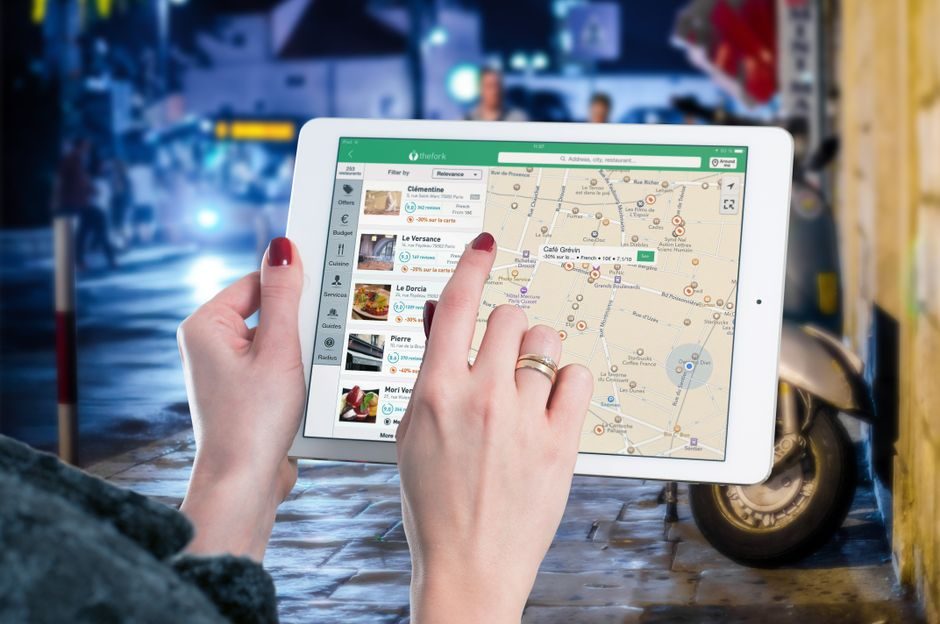
Spotting questionable contact details
Check for inconsistent phone numbers across listings and verify against official business sites. Look for missing addresses or vague locations that don’t match the storefront reality. These signs often point to outdated or fake entries that can mislead readers. Sell second-hand items in Blackpool listings tie readers to local markets and classifieds.
Be wary of listings that promise quick sales or unverifiable testimonials. Cross-check any claims with multiple sources, and note when information changes over short periods. Readers rely on accuracy, so flag uncertain entries for follow-up.
- Inconsistent phone numbers across entries
- Missing street addresses or vague locations
- Unverifiable or conflicting claims
Choosing the right directory
Evaluating source credibility
Prioritize directories that require verification steps for businesses, such as ownership proof or active contact details. A credible directory should show recent updates and transparent editorial guidelines. Read the site’s about page to understand its vetting process before citing it in a report. how to place an obituary in Blackpool
- Use directories with explicit verification steps.
- Prefer listings that show update dates.
- Document the source and date when citing listings.
Compare directories on scope and update frequency rather than traffic or aesthetics. A wider net isn’t always better if it sacrifices accuracy. Favor platforms that publish dates on listings and note changes.
- Verification processes
- Recent update indicators
- Editorial transparency
Ethics and accuracy in local listing reporting

Balancing speed with verification
In fast-moving local news, speed matters but should not eclipse verification. Double-check critical details such as business status, ownership, and contact points before publishing. Readers trust that what appears in print reflects the current reality.
- Confirm business status with at least two sources.
- Record the verification steps taken.
- Annotate entries with any caveats about reliability.
When in doubt, delay publication on questionable items and seek additional confirmations from multiple independent sources. Clear notes about what is unverified help maintain reader understanding and newsroom credibility.
- Verify critical facts before publishing
- Seek multiple independent confirmations
- Provide transparency about verification status
Maintaining up-to-date records for readers
Building a living directory
Create a system that flags listings for monthly review, focusing on sectors with high turnover like retail and services. Maintain a public errata log for readers to see corrections and updates. This practice helps readers trust that information reflects current conditions.
Use structured notes to track changes: new openings, closures, and relocations. A disciplined approach reduces the risk of outdated recommendations influencing reporting decisions.
- Monthly review schedule
- Public errata log
- Structured notes for changes
Frequently asked questions
How do I verify a listing quickly?Start with the listing’s own contact details and cross-check against a second independent source such as the business registry or an official website. If both confirm basic facts, you can proceed; otherwise, mark as unverified and request a new confirmation.
Should I cite user-generated reviews?User experiences can inform readers but should be treated cautiously. Distinguish between verified facts and opinions, and corroborate with primary sources whenever possible.
What if a business closes after publication?Update the listing promptly and publish a brief note explaining the change. If possible, include a link to a local registry or official notice confirming the closure.
How often should readers expect updates?Provide a predictable cadence, such as monthly summaries of changes, with immediate alerts for critical updates like closures or new openings.
Conclusion
The aim is to deliver listings that readers can trust as a base for local reporting and decision making. Regular verification, transparent corrections, and timely updates anchor this trust and support accurate coverage of Blackpool’s business scene.
Next steps involve establishing a public log of changes and integrating reader feedback into the ongoing review process to keep listings reliable and useful.
Add Birkenhead Mail as a preferred source on Google


