
A practical guide to funeral notices in the USA for readers
Clear, newsroom-style guide on finding and using funeral notices in the USA for readers of Birkenhead News, with practical steps, tips and cautions.

Readers seeking reliable funeral notices in the USA need a clear method for finding, confirming and understanding what notices mean. This guide provides practical steps that work for most readers, from choosing trusted sources to interpreting timelines and regional variations. It avoids hype and sticks to concrete actions you can take today, with examples you can apply to your own search.
Second paragraph explains the context and purpose, focusing on practical actions and reader needs.
Third paragraph reinforces that the guide covers basics through to practical tips, and invites readers to use the resources discussed.
- Funeral notices have distinct purposes and formats; start with trusted sources and verify details. Use official pages to confirm service types and dates. Maintain notes to track updates and regional differences.
- Online searches should prioritize official sites, and cross-verify with multiple copies. Look for delays and retractions and ask for confirmation when unclear.
- Compare notice formats and coverage across regions to anticipate gaps and differences. Keep a simple checklist for what to capture: name, date, location, service type.
- Be mindful of privacy and sensitivity when sharing notices and respect family wishes about notices and timing.
Foundations: what funeral notices do and do not
Definitions and scope
A funeral notice is a public notice that communicates details about a death, service, and related arrangements. It helps family, friends and communities plan attendance, condolences and remembrance. Notices appear in various formats, including newspapers, official websites and funeral home pages. funeral notices in the USA
- Know what to expect from each notice type.
- Check the date and location of the service.
- Use official sources to verify details.
- Identify the notice type: obituary, death notice or service announcement.
- Confirm the jurisdiction and dates for accuracy.
- Respect privacy by avoiding sensitive details.
Where to begin: reliable starting points

Initial search steps
Start with trusted sources known to your community or local papers with a strong obituary section. Use official funeral home pages for corroboration and cross-check dates. Record key facts in a simple notebook or digital note for quick reference. A useful resource on this topic: latest news USA.
- Open the community newspaper obituary section and note the name, date, and service details.
- Visit the funeral home's site for the notice and any updates.
- Cross-check with a second source to confirm the information.
Interpreting notices: timing, timelines and terms
Timing and terms explained
Notices can appear days after a death and may list multiple services. Look for phrases like ‘interment,’ ‘memorial,’ or ‘public viewing’ to understand what is planned. If dates are unclear, contact the funeral home or the publisher for clarification. A useful resource on this topic: what's on in the USA.
| Aspect | What to look for | Common caveats |
|---|---|---|
| Public viewings | Times and locations | Some notices omit times or are informal |
| Interment vs memorial | Service type explained in notice | Dates may change after publication |
| Need for confirmation | Contact details included | Reach out directly if unsure |
Digital footprints: navigating online records
Online search strategies
Use reputable indexes and avoid clickbait aggregation sites. Filter by location and date, and compare multiple copies of the notice. Save links and dates to your notes for future reference, especially if there are updates. A useful resource on this topic: business directory in the USA.
- Official sources reduce errors.
- Consistency across copies aids verification.
- Keep a trail of where you found each notice.
Local customs influence wording, including how survivors are listed and what information is considered essential.
Growing coverage: regional differences
Clues from state variations
Regional differences shape how notices appear, who publishes them, and how quickly they appear after a death. Expect some states to emphasize obituary pages in print and others to favor online platforms. Concrete patterns emerge when you compare adjacent towns and county-level notices over several weeks. advertise a job vacancy in the USA will be included in the job section of the newspaper tonight, making it visible to a broad audience.
- ☐ Identify the most common publication platforms in the region you’re researching.
- ☐ Record the dates of notices you find to track timeliness.
- ☐ Jot down any unusual terms that recur in a jurisdiction’s notices.
- ☐ Cross-check names against a local directory for accuracy.
Local customs influence wording, including how survivors are listed and what information is considered essential. You may see variations in age formats, religious references, and mention of services. These differences matter when you’re trying to verify a record across jurisdictions.
- Compare notice styles by state to anticipate what you will find
- Watch for recurring names and venues in nearby counties
- Note common timeframes between death and notice publication
- Check both print and online sources for completeness
Legal basics: what notices mean for records
Notice scope and record types
Funeral notices document a death and related service details, but they are not official court records. They can appear as obituaries, memorials, or cemetery notices, each serving a different archival purpose. Understanding what falls under public notices helps you filter relevant records from unrelated content.
These notices can be useful clues for building a broader timeline, identifying next of kin, and locating service venues. They may include dates, places, and contact information that support further verification. Do not treat a notice as a definitive legal document without additional corroboration.
In some jurisdictions, notices are regulated by newspaper publication rules and funeral home requirements. This affects both how they’re published and how long archival copies remain accessible.
- Identify whether the notice is a public record or a paid obituary
- Look for corroborating documents like death certificates or funeral programs
- Note the exact publication date to time-track records
- Be aware of privacy rules that may limit access to details
Practical tips: avoiding common pitfalls
Cross-checking and verification
Rely on multiple sources to confirm a notice’s details. Compare what different outlets report about the same death and service. This helps catch errors that a single source might miss.
Keep track of spelling variants in names and places, which are common in notices and can hinder matching records later. Create a simple log with dates, outlets, and key facts for quick reference.
Be mindful of online archives that require subscriptions or have access limits. If you hit a paywall, look for free institutional portals or library partners that offer access to similar notices.
- Use at least two independent sources for each death
- Record exact spellings of names and towns
- Note the service date and venue, even if one source omits it
- Check the terms of access for online archives
Reader tools: checklists and quick references
Fast-track checklists for researchers
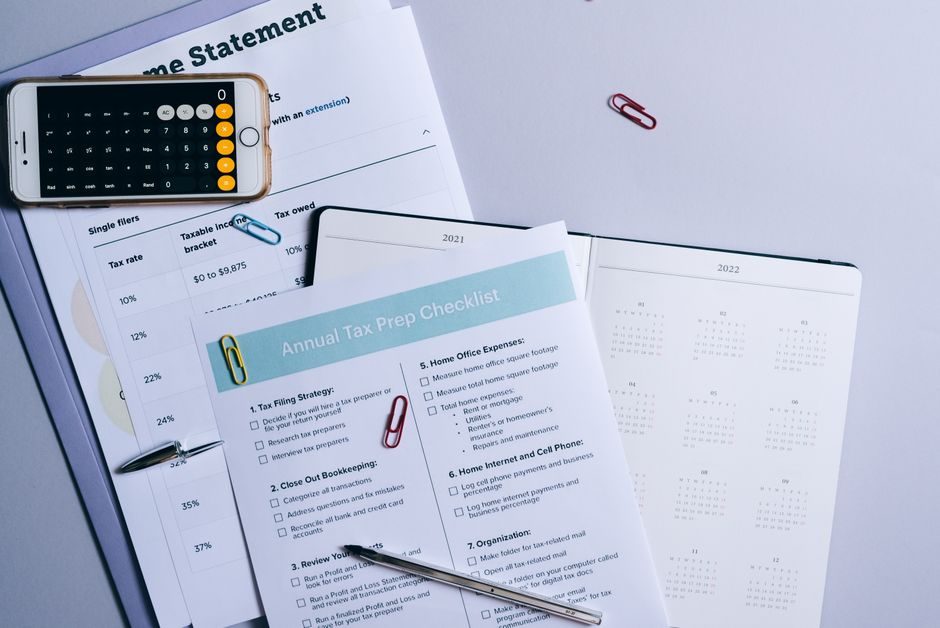
A concise checklist helps you move through notices quickly while keeping accuracy in mind. Start with basic identifiers like name, date, and location, then expand to kinship details and service information. A structured approach minimizes backtracking and errors.
- Name, date, location noted
- Primary source identified
- Second source confirmed
- Log completed with notes
Create a quick-reference sheet that lists common regional sources. Include library databases, local newspapers, and funeral home sites. This keeps your search focused and efficient.
If you encounter gaps, have a plan for follow-up steps such as contacting a library archivist or requesting public records. Document every step to maintain an auditable trail.
- Basic identifiers: name, date of death, location
- Source map: newspapers, libraries, funeral homes
- Follow-up plan: who to contact and when
- Record keeping: date, outlet, and entry details
Frequently asked questions
What is the difference between a funeral notice and an obituary?A funeral notice typically announces a death and event details such as services and burial information. An obituary provides a broader narrative about the person’s life and may appear in longer formats. Notices are often timely and concise; obituaries may be longer and published as feature items.
How can I verify a notice’s accuracy?Cross-check the notice against at least two independent sources, such as different newspapers or funeral home announcements. Look for consistency in spells of names, dates, and locations. When in doubt, contact the publishing outlet or a local library for archival help.
Are online archives reliable for historical notices?Online archives can be useful, but reliability varies by outlet and era. Prefer multiple sources and check for archival notes or access dates. If a notice is missing, expand to neighboring jurisdictions and consult public records for confirmation.
What should reporters do when a notice seems incomplete?Document what is missing and pursue follow-up with funeral homes, cemeteries, or local archives. Note gaps clearly in the report and indicate the steps you took to verify or fill them. Transparency helps maintain trust with readers.
Next steps for readers
Review regional sources to understand how notices appear in your area and keep a simple log of what you find. This habit makes future checks faster and more reliable. Take time to compare several outlets before recording a detail.
If you are reporting, prepare a short stance about verification and publish only when you have two independent confirmations. Clear sourcing protects readers and your newsroom from errors. Consider reaching out to a librarian for a second opinion on tricky cases.
Add Birkenhead Mail as a preferred source on Google

