
How to buy and sell in crypto: a clear, practical guide for readers
A concise, news-style guide explaining practical steps, options, and pitfalls for buying and selling cryptocurrency, tailored for readers in Hampshire and beyon

This guide explains how to buy and sell cryptocurrency in practical terms, with steps you can act on today. It focuses on clear, verifiable actions over hype or speculation. Readers will learn the basics, the main options, and common pitfalls to avoid when engaging with crypto markets.
The guide uses plain language to ground readers in what to expect and what to ask before making a trade. It outlines the typical process, the kinds of platforms available, and how to evaluate reliability and security. Expect concrete steps, checklists, and safer practices that align with responsible reporting.
By the end, readers will know how to choose a method, verify a platform, and protect funds during transfers. The guidance applies to beginners and those seeking a refresher, with emphasis on caution and practical decision-making. It also highlights where to find reliable information and how to document your transactions.
- Understand the basics of buying and selling crypto, including platform choice and wallet safety.
- Follow step-by-step buying and selling processes with attention to verification and transfers.
- Weigh centralized and decentralized options, with attention to fees and convenience.
- Be alert to common mistakes and use practical safeguards for safer trading.
Basics of crypto buying and selling
Choosing a platform
Start with a reputable exchange that offers basic verification and a straightforward buying flow. Compare commonly used wallet types and the security features they provide. Look for clear limits, recovery options, and transparent fee structures. buy and sell in Hampshire
- Select a platform that requires minimal personal data for basic trades but offers secure two-factor authentication.
- Ensure you understand withdrawal limits and how to transfer funds to a personal wallet.
- Check how the platform handles insurance or custodial risk and what recourse exists if funds are lost.
Understanding wallets
A wallet is where you store crypto. Hot wallets are online and convenient for frequent trades; cold wallets are offline and safer for long-term storage. Each method has trade-offs in access versus protection.
How the process works in practice
Step-by-step buying
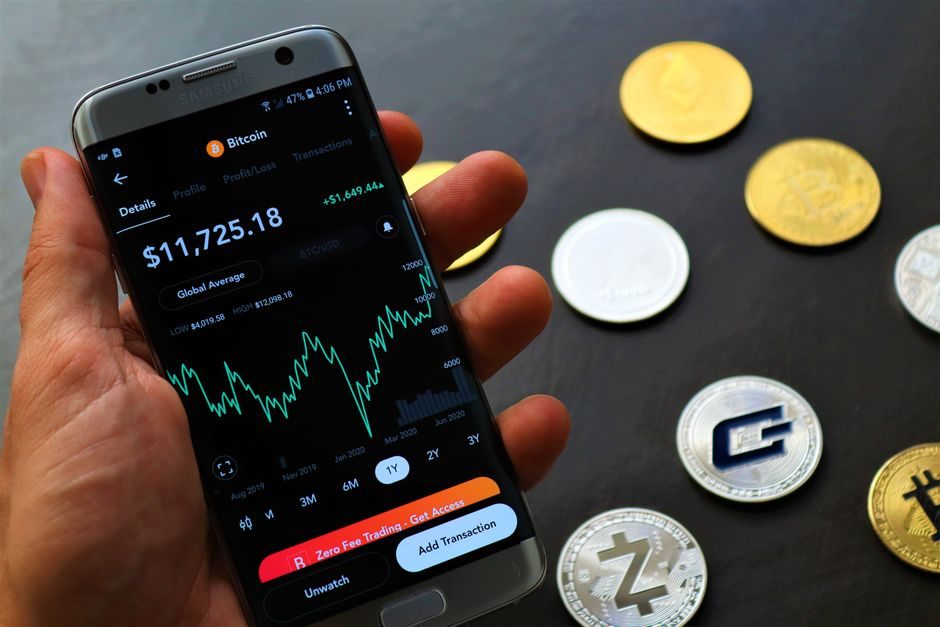
Open an exchange, complete identity checks if required, fund your account, and place a buy order. For small purchases, consider limit orders to avoid price spikes. Always confirm the amount and destination wallet before finalizing. latest news Hampshire
- Open an exchange and verify
- Fund your account
- Place a buy order
- Withdraw to your wallet
Selling flow
To sell, decide the amount, place a sell order, and transfer proceeds to your bank or wallet. Use alerts to monitor price movements and avoid panic selling. Record the trade details for your records and tax needs.
Options and platforms
Centralized vs decentralized
Centralized platforms handle custody and trading rules for you, offering convenience but requiring trust. Decentralized options let you trade directly from a wallet, with greater control but sometimes slower processes and higher learning curves. local events in Hampshire this week
| Option | Pros | Cons |
|---|---|---|
| Centralized platforms | High liquidity, ease of use | Custodial risk, governance controls |
| Decentralized exchanges | User control, privacy | Complex onboarding, slower trades |
| Hybrid services | Balanced access | Costs vary, learning curve |
What to consider when selecting
Assess liquidity, fees, and withdrawal options before committing to a platform. Consider how you prefer to store assets and whether you need faster transfers or more privacy. Check platform reviews for reliability and support responsiveness.
Pitfalls and red flags
Common mistakes
Mistakes include overconcentration in one asset, ignoring secure storage, and touching funds with untrusted apps. Learn to diversify cautiously and keep a separate, secure backup of recovery data. Regularly audit your holdings and transactions. add your business listing in Hampshire
In practice, this means knowing where a platform operates from and which local rules apply.
Regulatory landscape
Regulatory overview for readers
Regulators set the framework for how crypto can be bought, held and sold. This section helps readers understand the rules that apply to wallets, exchanges and transfers. Expect plain explanations of licenses, compliance checks and consumer protections as they relate to everyday transactions. place an obituary in Hampshire
In practice, this means knowing where a platform operates from and which local rules apply. For most readers, the key point is to look for basic safeguards such as identity checks and clear dispute paths. The goal is to reduce surprises if something goes wrong with a trade or a transfer.
This segment also highlights why a user might see restrictions on certain services or assets. It clarifies what is considered a regulated activity and what falls outside that scope. Knowing the boundaries helps readers plan legitimate, low-risk moves in crypto.
- Check where a platform is licensed
- Understand what identity requirements may be needed
- Look for clear terms on refunds and chargebacks
- Be aware of restrictions on certain assets
Tax considerations
Tax basics for traders
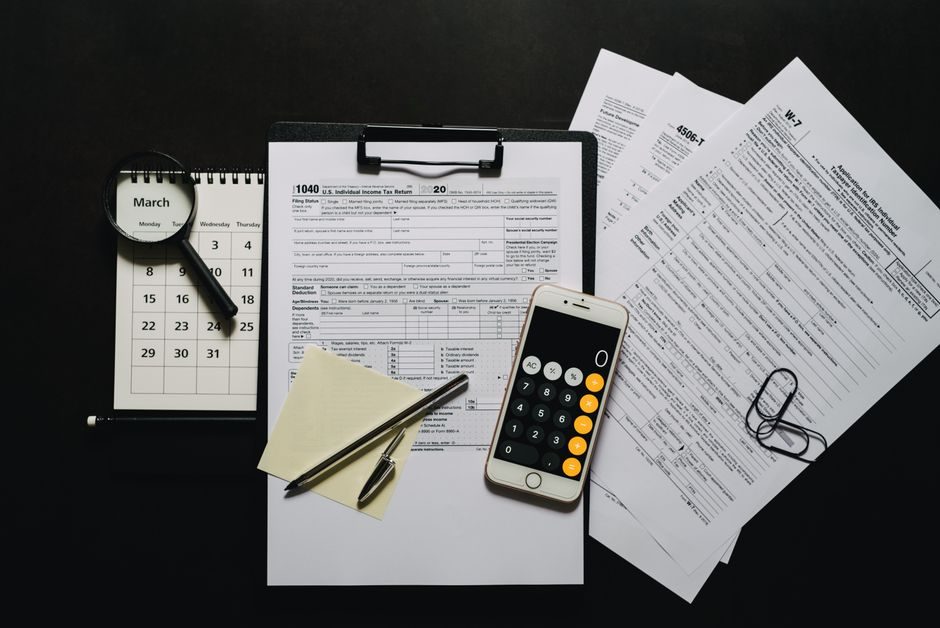
Tax treatment of crypto varies by jurisdiction, but most readers should expect gains to be taxable events. This section explains when profits become taxable and how losses can be used to offset gains. It also outlines common reporting steps for individuals who trade intermittently.
- Keep an audit trail of each trade and its value at the time of the transaction.
- Understand what counts as a taxable event in your country and what exemptions exist.
In practical terms, keep records of every purchase and sale, including dates, amounts and fees. This helps compute gains accurately and avoids disputes with tax authorities. The aim is to build a clear trail for tax year reporting.
The section also covers what qualifies as a transfer versus a sale, which affects tax liability. For example, moving crypto between your own wallets may not trigger a taxable event, but exchanging one asset for another usually does.
- Document dates and total value of each trade
- Track fees paid to exchanges
- Separate long-term from short-term gains
- Consult a tax professional if in doubt
Market dynamics
How market liquidity works
Liquidity affects how quickly you can buy or sell without moving the price. This part explains bid-ask spreads, order books and how volume can influence a trade’s execution. Readers will learn to value liquidity when choosing an exchange.
In practice, a higher liquidity venue typically means tighter spreads and faster fills. Compare two platforms not just by price but by the reliability of order execution. The goal is to avoid slippage in real trades.
This section also points out that liquidity can vary by asset and time of day. For less common tokens, expect wider spreads and slower trades. The takeaway is to confirm available liquidity before placing a large order.
- Assess daily trade volume for assets
- Compare spreads across platforms
- Check order book depth before large orders
- Be mindful of weekend and after-hours effects
Future of crypto access
Expanding access methods
Access methods include both basic wallets and more advanced custody options. This section describes how readers can balance control with convenience when choosing a method to store crypto. Expect practical examples like software wallets and hardware wallets as accessible entry points.
Practical guidance helps readers select a secure option that still allows quick trades. It also covers backup phrases, device security and the importance of recovering access if a device is lost. The aim is to reduce the risk of loss due to user error.
This segment highlights how access options evolve as platforms integrate fiat onramps and cross-border transfers. Readers learn why a straightforward setup can be safer for beginners while still enabling easy future moves.
- Choose a wallet that fits your trading tempo
- Use strong authentication and backup phrases
- Keep software up to date
- Plan for recovery and device loss
Frequently asked questions
What qualifies as a taxable event in crypto purchases and sales?Most readers will encounter gains or losses when converting one crypto asset to another or exchanging crypto for fiat. Keeping a simple log of dates, assets, quantities and values helps determine taxable outcomes. The tax rules can vary by country, so check local guidance and maintain receipts from trades.
Which platforms are safest for beginners?Look for platforms with clear terms, validated licensing, and straightforward identity checks. Prioritize those that provide documented customer support paths and transparent fee structures. For newcomers, starting on a platform with a simple interface reduces the chance of mistakes.
How can I protect my funds from scams?Use platforms with strong verification, enable two-factor authentication and never share private keys. Be cautious of unsolicited offers and copycat sites, and verify wallet addresses before sending funds. A disciplined, cautious approach prevents most common fraud patterns.
What should I do if I lose access to my wallet?If you have a recovery phrase, use it to restore access on a trusted device. If you do not, contact the platform’s support with proof of identity and ownership. Always keep backups in a secure, separate location to minimize risk of loss.
Takeaways and next steps
Readers should maintain clear records of every trade and verify platforms before committing funds. Building familiarity with the regulatory and tax context reduces surprises and makes decisions more predictable.
Next, readers can choose a simple starter setup, then gradually add liquidity and different access methods as confidence grows. This staged approach keeps risk low while learning the mechanics of buying and selling crypto.
Add Birkenhead Mail as a preferred source on Google


