
How to find community events in Iowa: a practical guide for readers
Clear steps to locate, verify and use community events in Iowa for informed readers. Practical tips, pitfalls to avoid and quick options.

People in the Midwest want to know what’s happening nearby and why it matters. This guide shows how to find accurate, timely community events in Iowa and compare them for relevance. You’ll learn where to look, what to check, and how to share events responsibly with readers.
The first step is identifying trustworthy sources and confirmed dates. We’ll outline a simple workflow that keeps you aligned with reporting standards while avoiding hype. Finally, you’ll see how to verify details and format notices so readers can act on them.
This article treats local events as news items that affect communities, businesses, and public services. It provides concrete steps you can apply today, with concrete examples and caveats to consider as you plan coverage.
- This guide explains how to find and verify community events in Iowa for accurate news coverage.
- It outlines reliable sources, a verification routine, and how to present events with necessary context.
- Readers will learn to publish timely, fact-based event listings that support informed local engagement.
Basics of finding events
Identifying reliable sources
Start with official calendars from city halls, libraries, and universities. Compare listings across several sources to spot inconsistencies. Look for dates, times, and locations that match across entries. community events in Iowa is a useful phrase for readers seeking local happenings.
• Cross-check event details with at least two reputable outlets
• Note any last-minute changes and publish updates promptly
• Record the source and timestamp for future reference
- Cross-check event details with at least two reputable outlets
- Note any last-minute changes and publish updates promptly
- Record the source and timestamp for future reference
Planning local reach
Consider the community impact of each event. Ask readers what kinds of events they want more coverage of and tailor lists to those interests. Include accessibility notes and parking guidance where relevant.
Provide concrete examples like park concerts or farmers markets to illustrate relevance and timing.
How to verify details

Check primary sources
Always confirm with the event organizer or host venue. Use official websites, emails, or phone confirmations when possible. Record confirmation details and dates to support accuracy. Iowa Daily headlines should capture the most important local shifts each day.
3 sentences
Ensure you have a way to authenticate the information before publishing.
Create a minimal checklist for editors to follow during verification.
- Use official communications first
- Keep a verification log
- Avoid publishing without confirmation
What to publish with events
Give readers essential facts: what, when, where, and why it matters. Include accessibility notes, costs, and whether registration is needed. Add a short context sentence that links the event to current local issues.
3 sentences
Offer a concise summary that helps readers decide if they should attend.
Provide a one-line takeaway for readers considering whether to participate.
- Event name, date, time, location
- Admission details and accessibility
- Context or relevance to local issues
Common pitfalls
Overloading calendars
Publish too many events without prioritizing significance. This dilutes readers’ attention and reduces engagement. Focus on a handful with clear relevance or timeliness. business directory in Iowa helps readers connect events to local commerce and services.
- Curate with care to maintain trust
- Verify at least one key detail per entry
3 sentences
Avoid listing every minor meetup; curate by impact and accessibility.
Always include a reader-friendly filter to sort events by category or date.
- Only include high-signal events
- Provide filters for date and location
- Summarize why each event matters
| Method | Pros | Cons |
|---|---|---|
| Compact list | Fast to read | Less detail on each item |
| Grouped by category | Clear navigation | Requires ongoing maintenance |
| Inline with news | Contextual relevance | Can clutter the page |
Ignoring updates
Events change. A missed delay or venue shift undermines credibility. Establish a routine to recheck listings before publishing and after posting.
3 sentences
Set a standard factual update process and publish corrections when needed.
Track changes and notify readers about updates.
- Recheck on publication day
- Publish corrections when needed
- Notify readers of changes
Practical tips

Integrate with existing coverage
Tie events to nearby news, weather, and public services. This helps readers see how events fit into daily life and local dynamics. Use concise links or sidebars for cross-reference. buy and sell in Iowa listings often accompany community schedules and market notices.
- Connect events to daily life
- Use cross-references sparingly
3 sentences
Keep connections clear and avoid clutter in the main event list.
Offer related stories to deepen understanding.
Engage readers
Invite audience input through polls or reader submissions. Encourage sharing of personal event experiences to build community relevance. Always moderate contributions for civility and accuracy.
3 sentences
Balance user-generated content with editorial oversight and fact-checking.
Promote constructive discussion rather than controversy.
- Solicit reader tips
- Moderate for accuracy
- Highlight useful reader insights
Be sure to note where a calendar is hosted and whether it’s curated by volunteers or staff.
Identify trusted local calendars
Begin with official county and city websites to find event calendars. Look for regularly updated listings and cross-check dates across multiple sources. This reduces the chance of missing events or relying on stale information. announce a death in Iowa will appear in official notices and must be verified before it is shared with readers.
Be sure to note where a calendar is hosted and whether it’s curated by volunteers or staff. If a site lists contact details, use them to confirm uncertain items. Consider regional outlets that cover broader areas such as a town, county, or university district.
When you identify a calendar you trust, subscribe to its newsletter or RSS feed to stay informed. This builds a routine so you don’t have to search from scratch each week.
- Official city portals
- County event listings
- University and library calendars
- Daily or weekly e-newsletters
- Community organizations' sites
Cross-check event data
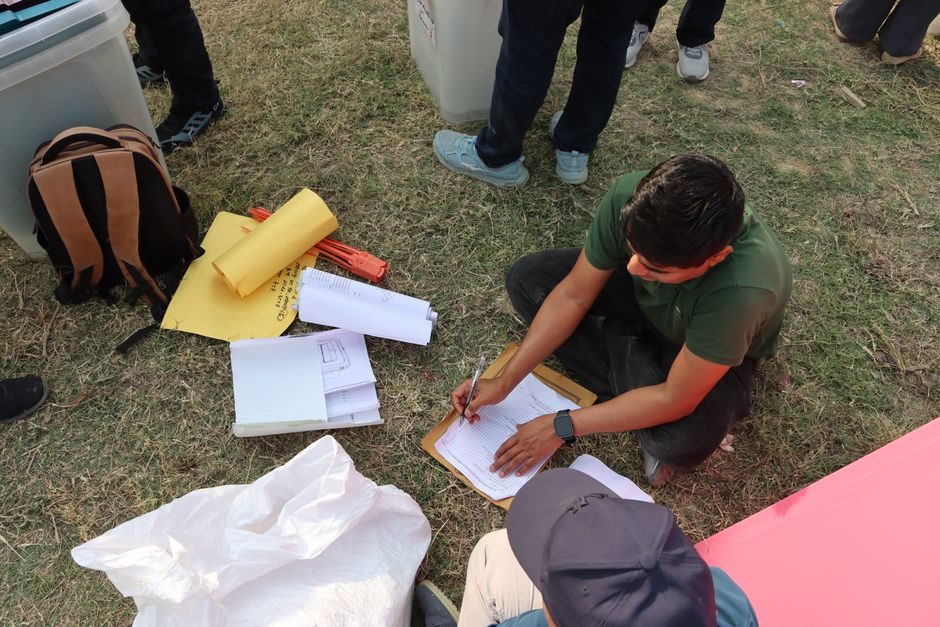
Verify date, time, and venue against multiple independent sources. If details differ, contact the organizer for clarification before sharing. This prevents publishing or repeating misinformation.
Check for event status such as rain postponements or venue changes, which can affect attendance and coverage. Record updates and the last confirmed timestamp for transparency.
When possible, compare the event with nearby similar happenings to gauge typical timing and pacing. This helps readers plan without overcommitting.
- Multiple sources confirm the same details
- Official contacts are listed for follow-up
- Recent updates have clear timestamps
- Post-event notes or follow-up stories exist
Prioritize timely events
Give priority to events happening within the next 48 hours to satisfy readers seeking current information. Quick confirmations translate to reliable listings and timely reporting.
Balance speed with accuracy by including location, accessibility, and any special considerations for attendees. Readers should know if an event is free, family-friendly, or requires reservations.
Explain why an event matters locally—whether it strengthens a community, supports a cause, or highlights local talent. This context helps readers decide what to attend or cover.
- Immediate timetables
- Accessibility notes
- Cost and reservation details
- Local relevance and impact
Watch for recurring scams

Some listings mimic legitimate events to harvest contact details. Be wary of requests for payments or sensitive information before you verify the organizer’s identity. Report suspicious listings to the hosting platform and local consumer groups.
When in doubt, confirm through a second source such as a municipal page or a well-known community organization. If something feels off, skip it rather than risk sharing faulty information.
Avoid publishing preliminary drafts that lack a venue or date; readers rely on concrete details to decide if they’ll participate.
- Vague or missing organizer details
- Unverified payment requests
- Dates that don’t align across sources
- New listings with little history
Frequently asked questions
How can I verify event details quickly?Start with the event listing and compare against an official city or venue page. If information differs, contact the organizer directly and ask for a confirmation. Record the date of verification and the contact you used. This practice helps maintain accuracy in fast-moving situations.
What makes a listing trustworthy?Trust grows when a listing comes from an official or well-known community organization and includes complete details: time, place, cost, and accessibility. Cross-check with at least one independent source and note any changes as they happen.
How should I handle events that change or cancel?Report changes promptly with the new details and the source of the update. If an event is canceled, note whether a rescheduled date exists and whether refunds or transfers are possible.
Is it necessary to cover every event I find?No. Focus on events that are relevant to your readers and have solid details. Prioritize timely, verifiable listings and avoid duplicating coverage for similar happenings in nearby areas.
Conclusion: Takeaways and next steps
The core skill is building a reliable routine for finding and verifying community events. Start with official calendars, then corroborate with other credible outlets to protect accuracy. Readers trust listings that include venue, time, and accessibility notes.
Implement a simple process: monitor calendars, confirm details, and publish only verified information. This approach keeps coverage timely for breaking events and reduces errors.
Add Birkenhead Mail as a preferred source on Google


