
How to promote your business effectively in the USA
A practical, step-by-step guide for UK readers on promoting a business in the USA, with clear actions, pitfalls, and tips for news readers.

Promoting a business in the USA requires clear strategy and local awareness. This guide explains practical steps that UK readers can take to reach American customers, partners, and media audiences. It focuses on actionable choices and common-sense checks that do not rely on hype or trends.
Begin with a solid positioning: what you offer, who you serve, and why it matters to US readers. Then map channels that fit your product, from earned media to digital ads. Finally, monitor results and adjust quickly to stay relevant across time zones.
As you read, notice how each step builds toward concrete outcomes: clearer messaging, better media fit, and measurable tests. The aim is to give you a repeatable process rather than a single tactic. Expect to refine your pitch and choose compatible channels over time.
- Promoting a business in the USA requires clear audience definitions, concrete messaging, and a disciplined outreach plan. Start with a minimal channel mix, test, and iterate. Keep tone steady, factual, and aimed at real readers.
- Build a strong value proposition tied to verifiable outcomes, and adapt it for US outlets and buyers. Coordinate earned, owned, and paid content so it supports one core story.
- Use a simple calendar, quick response processes, and lightweight metrics to stay efficient. Avoid overcommitment and maintain credibility through accuracy and transparency.
Basics of outreach
Define your audience clearly
Start by describing who benefits most from your product or service in the US market. Create a simple profile with needs, budget ranges, and decision timelines. This clarity helps you tailor messages and choose the right channels. promote your business in the USA is a useful query for UK readers seeking actionable paths.
Describe what makes your offer different in practical terms, not abstract qualities. Use concrete problems you solve and outcomes you deliver. The goal is messaging that resonates with real buyers and gatekeepers.
Use audience insights to prioritize channels. If small business buyers respond to case studies, focus on prosaic, enterprise-ready examples and straightforward calls to action.
- Identify the top three buyer personas you will target.
- List the most common objections and how you address them.
- Choose one primary channel for first outreach (email, media, or events).
Plan channels and timing
Outline a minimal set of channels that fit your audience and budget. Start with earned media, content, and social touchpoints that can be scaled gradually. This keeps your plan realistic and controllable.
Coordinate messaging so a reporter, a potential partner, and a customer see consistent value. Use a simple content calendar and set monthly review points.
Consider time zones and regional business cycles in the US to avoid dull periods or outages.
- Set a realistic content calendar for 6 weeks.
- Create a single core message adaptable to multiple formats.
- Track response rates to adjust course quickly.
How to frame your message

Value proposition in concrete terms
Translate benefits into outcomes a US buyer can verify. Use concrete numbers where possible, or tangible results like saves time or reduces risk. Clear language reduces back-and-forth with editors and partners. The page should reference latest business news in a way that informs practical decisions.
- Clarify the core benefit.
- Add one concrete supporting result.
- Provide a brief proof point.
- Close with a clear call to action.
Offer proof through briefs, case notes, or simple data visuals that illustrate outcomes. Avoid exaggeration and focus on verifiable claims.
Test variations of headlines and lede statements to see which phrasing resonates with US readers and editors.
- Highlight one key benefit per paragraph.
- Use real-world examples to demonstrate impact.
- Include a short, verifiable proof point in every outreach.
Local media fit and tone
Research which outlets cover your sector and what story angles they use. Local angles can work even for national outlets if you tie to regional business growth or policy developments.
Adapt tone for US readers: concise, evidence-led, and free of hype. Journalistic voices respond to clarity and relevance.
Prepare a one-page briefing that summarizes your story, its relevance, and suggested spokespeople.
- Match your angle to a reporter’s beat.
- Offer a ready-to-publish quote and a photo or graphic.
- Follow up with a brief, respectful pitch window.
Content and channels for visibility
Owned, earned, and paid balance
Own content like press releases and white papers to control the message. Earned media builds credibility when outlets pick up your story. Paid media can test audiences and validate messaging quickly without long lead times. post your event in the USA can connect US audiences with global events and partners.
- Owns the core story; earns credibility via editors; pays to test and amplify.
- Maintain consistency across channels.
- Use tests to learn and iterate quickly.
Coordinate all three so they reinforce a single narrative. Use paid tests to gauge what resonates before a larger push.
Keep content tight and skimmable; many readers will skim headlines and subheads before reading full pieces.
- Develop a core narrative and adapt formats (articles, quotes, visuals).
- Run small paid tests to validate headlines and angles.
- Repurpose winners across channels to maximize impact.
| Format | Reach | Speed |
|---|---|---|
| Press release | Medium | Fast |
| Thought leadership | Low to medium | Medium |
| Content collaboration | Medium | Medium |
| Event listing | Low | Variable |
Timing and response management
Plan for quick responses to inquiries from media or partners. A fast turnaround signals reliability and boosts chances of follow-up coverage.
Set internal SLAs for responses, including spokespeople, data requests, and clarifications. This discipline helps avoid missed opportunities.
Use a simple dashboard to track inquiries, response times, and outcomes.
- Respond within 24 hours where possible.
- Prepare a media-ready bundle with quotes and data.
- Document lessons from each outreach cycle.
Track progress with a single dashboard that aggregates key data, then review weekly to spot trends.
Results tracking and KPIs

Setting measurable goals
Start with clear objectives that align with your business size and market niche. Define what counts as a successful promotion in the USA, such as inbound inquiries or qualified leads. Use simple benchmarks to compare performance over time and adjust campaigns accordingly. rooms and property to rent in the USA should consider local market context when planning promotions.
Track progress with a single dashboard that aggregates key data, then review weekly to spot trends. Avoid vanity metrics like total impressions if they don’t correlate with conversions. A practical approach is to tie each channel to a specific action you want a user to take.
Be prepared to shift focus if a channel underperforms. If email open rates decline, test subject lines; if social posts don’t convert, try different visuals. Document what you change and the result to build a repeatable process.
- Set SMART goals aligned with business size
- Link each channel to a specific action
- Review data weekly for trends
- Document changes and results
Alternative channels
Direct outreach beyond basics
Direct outreach remains effective when targeted. Build lists of potential partners and customers in the USA based on industry relevance. Personalize messages to reflect local needs and avoid generic pitches. place an obituary in the USA
- Prepare a targeted contact list
- Personalize each message with local relevance
- Limit touches to a respectful cadence
Use a mix of email, phone calls, and social messages to increase touchpoints. Space outreach to avoid fatigue and respect time zones. Track which combinations yield higher response rates.
Test small campaigns across several niches to learn what resonates. If a particular sector responds to case studies, expand in that direction with tailored proofs.
- Targeted email, calls, and social touches
- Respect time zones and cadence
- Test multiple niches
- Build tailored proofs for responses
Ethical considerations and compliance
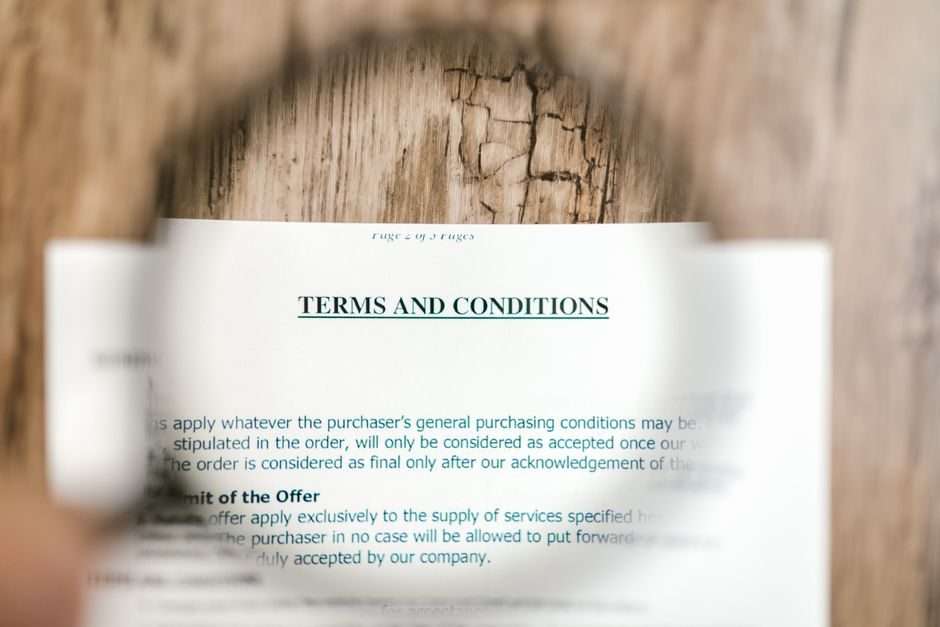
Honesty and transparency
Disclose any sponsorships or partnerships clearly to maintain reader trust. Avoid overstating capabilities or outcomes for the USA market. Clear attribution helps readers assess relevance.
- ☐ Publish transparent sponsorship notices
- ☐ Avoid exaggerated promises
- ☐ Ensure uniform messages across platforms
Provide accurate information about services, timelines, and outcomes without exaggeration. Misleading claims can damage credibility and invite regulatory scrutiny.
Maintain consistency across all channels so readers aren’t misled by different messages in different places. This consistency reinforces your brand’s reliability and accountability.
- Clear disclosures for sponsorships
- Accurate service information
- Consistent messaging across channels
Practical pitfalls to avoid
Common missteps and fixes
Avoid broad, vague pitches that fail to address a US audience’s immediate needs. Narrow your message to specific benefits and contexts. Concrete examples help readers picture your product in use.
Be mindful of timing and local sensitivities in the USA; misjudging holidays or business cycles can waste effort. Plan campaigns around relevant events and align content with audience expectations.
Don’t scatter budget across too many channels. Focus on a few lanes where your message fits best and scale as results prove effective.
- Vague pitches
- Poor timing
- Over-diversification
- Under-resourcing
Frequently asked questions
What is the first step to promote your business in the USA?Begin with a well defined value proposition for US customers and identify one or two primary channels to test. This keeps effort manageable while learning what resonates, and helps you avoid wasted spend.
How should I measure success in a new market?Choose a small set of concrete actions, such as inquiries or trials, and track them against early targets. Weekly reviews help you refine messaging and channel choices quickly.
Can I use free tools for tracking results?Yes. Start with basic analytics that pull data into a single dashboard. As you grow, you can add more detailed metrics and drill-downs to understand performance.
Should I adjust content for regional differences?Yes. Tailor examples, language, and references to US contexts, industry norms, and any local regulations relevant to your audience.
Specific closing ideas
The process above yields a practical routine: set targets, test channels, and measure outcomes in a disciplined way. This approach helps you learn what US readers respond to and refine your promotions accordingly.
Next, implement a two-channel test with a simple metric, review results, and scale what works while dropping what doesn’t. Consistency and documentation magnify the impact over time.
Add Birkenhead Mail as a preferred source on Google

