
How to promote your event effectively in Duxbury
A practical, reader-focused guide to promote your event in Duxbury with clear steps, suitable channels, and practical tips for local readers.

Promoting an event in Duxbury is easier when you have a clear plan and local context. This guide shows practical steps you can take to reach the right audience without overspending or overloading channels. You’ll learn what to prioritise, how to craft messages, and where to place them for best effect.
Start with your audience: know who you want to attend and what information they need. Then choose a mix of channels that fits your budget and timeline, from community calendars to social posts. Finally, track results and adjust to improve turnout and awareness.
Use this as a dependable workflow for any event, big or small, in Duxbury. The emphasis is on practical, repeatable steps and on avoiding common missteps that waste time or misdirect effort. By the end, you’ll have a simple blueprint you can reuse for future events.
- This guide explains practical steps to promote an event in Duxbury using clear channels and messages that fit local readers. It covers foundations, channels, and practical checks. Readers will finish with a repeatable plan and concrete examples for the next event.
- The approach emphasises simple, verifiable actions over hype, avoiding unrelated content while providing real paths for distribution and measurement.
- Expect direct advice on core activities, from defining goals to choosing calendars, writing concise copy, and testing results.
Foundations: define your aim and audience
Know your goal and audience
Start with a concrete objective for the event, such as informing residents or driving ticket sales. Identify who will benefit most from attending and tailor your message to that group. This focus helps you decide what information to share and which channels will reach the right people. promote your event in Duxbury is the core action you take when planning outreach.
- Clarify objective in one sentence
- Define attendee profile
- Note key benefits for attendees
- Set a realistic timeline
- Identify the budget limits
Choose the core message
Craft a concise message that explains what, why, and when in plain language. Use active voice and a concrete benefit for attendees. Rehearse the message to ensure it fits in a single line for posters or headlines.
- One-sentence value proposition
- Three supporting details maximum
- A call to action with date or location
- Keep jargon out
- Test the message with a local reader
Where to publish first: core channels
Traditional outlets and calendars
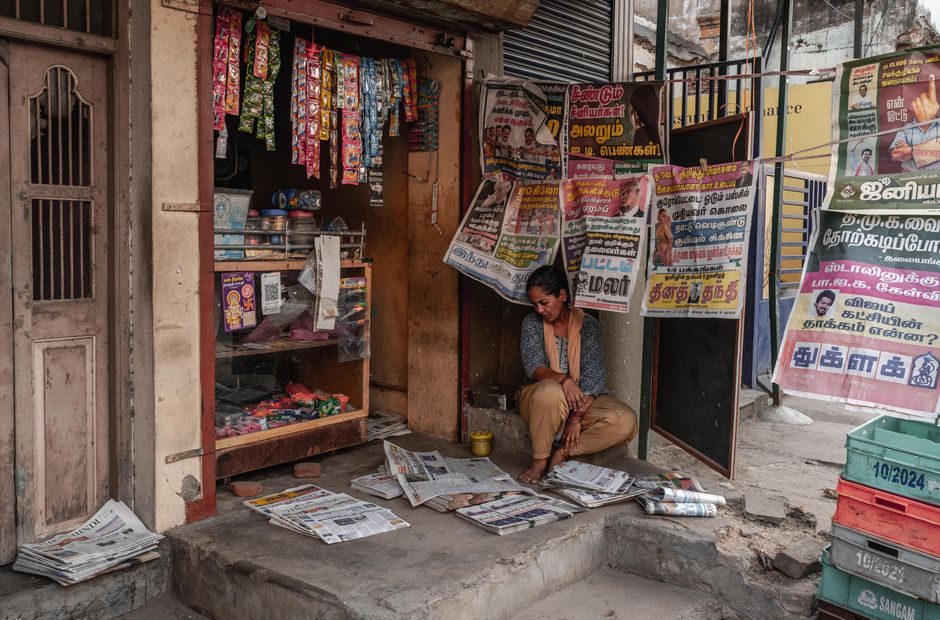
Local newspapers, community notice boards, and library or council calendars are solid starting points. Submit a short notice that mirrors your core message and includes essential details. These channels reach readers who value local events and verification. Duxbury News headlines are a natural place to surface local event notices.
- ☐ Prepare a 1-sentence pitch
- ☐ List essential details (what, when, where)
- ☐ Provide contact for clarifications
- ☐ Verify dates and venue spelling
- Submit to community calendars
- Provide a short description with time and place
- Offer an adult-friendly contact for more info
Digital and social options
Social feeds and event listings extend reach beyond traditional readers. Post at staggered times to catch different audiences and use a clear, reusable caption. Track engagement to learn what resonates for future events.
- Use a short post with a visual
- Include a link or RSVP if available
- Schedule reminders ahead of the event
Paid boosts and partnerships
Local partnerships
Partner with schools, clubs, or businesses that align with the event. Partnerships can expand reach through cross-promotion and shared audiences. Keep agreements simple and measurable to avoid misunderstandings. list your business in Duxbury should be coupled with a clear event listing to amplify visibility.
- Identify 2-3 potential partners
- Agree on a simple promotion plan
- Coordinate mutually beneficial messaging
- Track reach through each channel
| Method | Reach | Cost |
|---|---|---|
| Traditional calendars | Local readers | Low to moderate |
| Social posts | Broad online reach | Low to moderate |
| Paid promotions | Targeted reach | Moderate |
Targeted promotions
If you have a modest budget, sponsor a post or a small ad focused on a local radius. Narrow targeting helps avoid waste and keeps messages relevant to residents nearby. Always align spend with expected turnout and clarity of the offer.
- Define a tight audience
- Set a modest cap on spend
- Use a clear call to action
- Monitor performance and stop if results lag
Review any aspects that underperformed, such as late submissions or vague location details.
Measurement and adjustments

Track what works
Record which channels yield ticket requests, event signups, or inquiries. Use simple metrics like clicks, inquiries, or calendar saves. Regular checks help you reallocate effort to the most effective outlets. local classifieds in Duxbury can be a reliable shared space for community notices.
- Monitor daily or weekly
- Compare channels
- Adjust copy or timing as needed
Learn from near misses
Review any aspects that underperformed, such as late submissions or vague location details. Use a brief post-mortem with the team to document what to fix next time. Focus on concrete improvements rather than blame.
- Identify specific gaps
- Document revised steps
- Share learnings with staff or volunteers
Creative formats and visuals
Engaging visuals for impact
Strong, clean visuals grab attention without overwhelming the message. Use a single focal image and a bold headline in a readable typeface. Visuals should reflect the event’s tone and target audience to avoid mixed signals. publish a death notice in Duxbury
- Choose a central image that matches the event’s mood and audience
- Add a short, clear headline
- Place key details near the top
- Test readability on mobile devices
Pair images with concise copy that explains what, where, and when the event happens. Favor high-contrast colors for readability on mobile screens and social feeds. If using photography, ensure you have rights to share the image publicly.
The opening paragraph should guide readers to the essential details first, then invite them to learn more. A well-chosen shot can convey urgency or relevance, prompting quick action.
- Use a single dominant image
- Limit to two supporting graphics
- Ensure readable typography
- Include essential details: who, what, where, when
- Avoid clutter that distracts
Accessibility and inclusivity
Inclusive communication practices
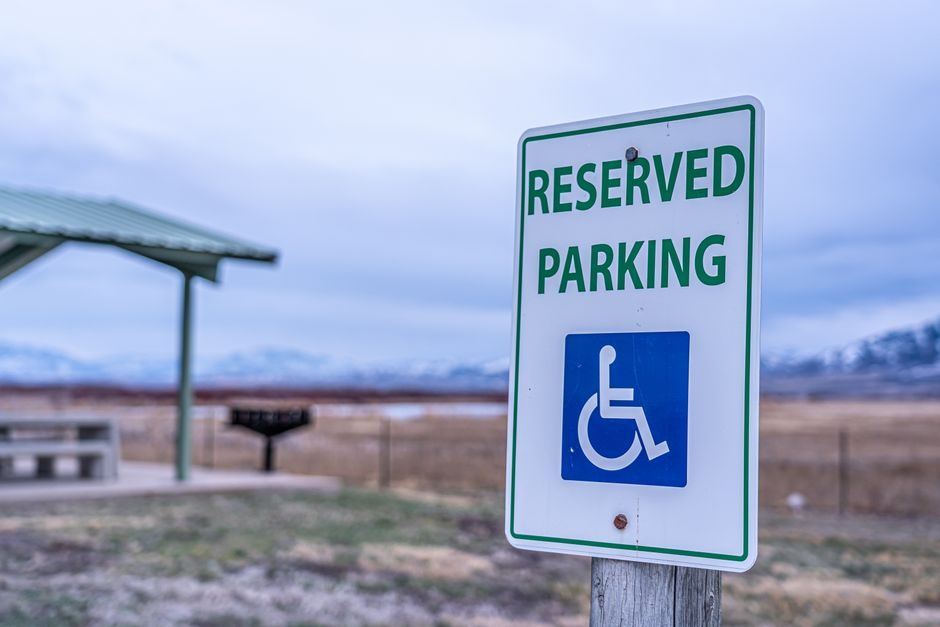
Draft all event details in plain language to accommodate a wide audience. Use alt text for images and provide translations if relevant for the community in Duxbury. Clear dates, locations, and steps to participate help prevent confusion.
- Provide a plain-language event summary
- Offer alt text for images and captions for videos
- List accessibility features of the venue and services
Offer multiple channels for information, including phone, email, and social media. Caption videos and provide transcripts so deaf and hard-of-hearing readers can access the content. Be mindful of color contrast for readers with visual impairments.
Describe the event in a way that does not exclude people with disabilities. Ensure the venue is accessible and provide practical details about arrival, seating, and facilities.
- Plain-language summaries
- Alt text and captions
- Multiple information channels
- Accessible venue details
- Disability-aware planning
Legal and privacy considerations
Rights, permissions, and data
Collect only the data you need to run the event and communicate with attendees. Explain why you collect personal information and how it will be used. Keep contact lists secure and delete data when it’s no longer necessary.
- Collect only what is necessary
- Explain data use and retention
- Obtain consent for marketing
- Maintain records of permissions
Use consent-based marketing practices and provide an easy opt-out option. Do not share attendee information with third parties without explicit permission. Maintain transparent records of any partnerships or sponsored content.
Review local regulations about public event advertising and data privacy to avoid fines or disputes. Update your privacy policy if you change how you collect or use information.
- Minimal data collection
- Clear consent and opt-out
- Secure data handling
- Transparent partnerships
- Regulatory awareness
Timelines and practicalities

Scheduling and reminders
Set a realistic timeline that starts with a clear launch date and ends with a final reminder. Build a calendar that includes content windows for different channels and audiences. Coordinate with partners to ensure all materials are ready on time.
Schedule reminders across channels but avoid over-communication. Use staggered posts to sustain attention without fatigue. Provide a simple registration process and a visible deadline.
Track execution against milestones and adjust as needed. A practical plan includes fallback options for weather or venue changes and a quick way to update information.
- Create a launch-and-reminder calendar
- Stagger posts across channels
- Simple registration
- Backup plans ready
Frequently asked questions
Who should handle the promotion plan for a local event?A designated organizer or communications lead should own the plan, coordinate with partners, and ensure accuracy across channels. Clear roles prevent duplicated effort and mixed messages. Regular checks help keep content fresh and aligned with the event’s aims.
What if I don’t have professional design resources?Use simple templates that rely on clean typography and a single focal image. Prioritize legible text, consistent color usage, and concise copy. Free online tools can help you assemble a coherent, attractive package.
How can I measure the impact of promotion quickly?Track attendance as the primary indicator and supplement with social engagement metrics like shares or saves. Set a short review window after the event to determine which channels drove interest and adjust future plans accordingly.
What if weather or venue changes occur?Maintain flexibility by updating all materials promptly and notifying audiences through the same channels used for promotion. Provide clear instructions for alternative dates or venues and keep a simple, go-to contact for questions.
Conclusion
The most practical promotions start with a clear, plain-language description and a focused channel. A simple calendar helps you pace updates without flooding readers with information.
Regular checks on readability and accessibility keep the message reliable and inclusive. Adapt visuals and text as needed and keep contact details current so people know how to participate.
Add Birkenhead Mail as a preferred source on Google


