
Latest herbs gardening news: clear updates for UK readers
A concise explainer on why latest herbs gardening news matters for everyday readers, with practical angles for households, gardeners, and local reporters.

What counts as the latest herbs gardening news, and why should readers care? This explainer answers what’s happening in herb gardening today, why it matters to households and community spaces, and how to verify updates. It stays grounded in facts, with practical takeaways you can apply this season.
Readers will learn where to find trustworthy herb-related updates, how to assess their local relevance, and what to watch for when reports cross into weather, policy, or market shifts. The aim is a clear, useful guide for readers who want timely information without hype.
By focusing on current events, we connect garden care, local reporting, and useful resources so readers can act—whether they’re growing basil on a balcony or covering a regional gardening project for a community newsletter.
- Herb gardening news informs what to change in care, harvest, and planning. It helps readers judge sources and act promptly. The guide shows where to find reliable updates and how to apply them. Practical steps translate news into your garden calendar.
- For households and community reporters, trustworthy updates come from extension services, universities, and established gardening networks. Verify dates, check multiple sources, and favor actionable advice. Expect seasonally relevant tasks rather than general warnings.
- Readers will finish with a clear path: identify trustworthy outlets, extract concrete actions, and integrate updates into a practical gardening plan. The aim is to turn news into routine care and community involvement.
- ["Method","Pros","Cons
Basics of herb gardening news
What counts as herb gardening news
News about herbs covers growing conditions, pest management, seasonal harvests, and policy impacts that affect local gardeners. It includes local reports, expert tips from extension services, and community garden updates. Readers gain context for why a particular story matters to their own plots and plans. latest herbs gardening news helps readers understand what to watch for in local gardens.
- Watch for dates and local relevance to your climate
- Note any planting or pruning timelines mentioned
- Consider how weather reports influence herb care
- Record when updates become seasonally important
It helps readers distinguish between seasonal advisories and broader trends, such as climate-related shifts or new plant varieties available in nurseries.
Awareness of sources and timing helps readers decide when to act, whether to adjust watering, pruning, or seed selection.
- Identify the source and date of the report
- Check for practical steps or warnings
- Note how the story affects your garden
- Look for follow-up updates
- Ignore speculative claims
Where to find reliable updates
Reliable updates come from local extension services, university trials, reputable gardening clubs, and established news desks that track agriculture and horticulture. They often publish seasonal advisories and how-to pieces that translate science into practice. Readers should favor sources that show data, dates, and clear author attribution.
Cross-check with multiple sources to confirm consistency, especially for pest or disease alerts.
Keep a simple bookmark list of trusted outlets and time-sensitive feeds so you can act quickly when needed.
- Local extension offices
- University horticulture pages
- Community garden newsletters
- Garden club bulletins
- Reputable regional papers
How updates impact home gardeners
Practical effects on chores
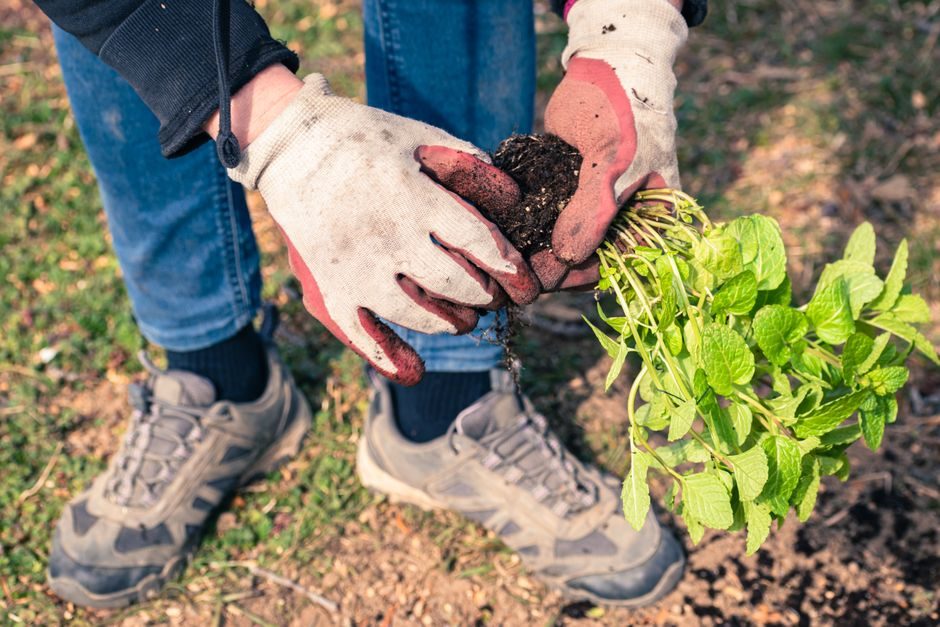
Herb news often translates to concrete tasks: adjusting watering during heatwaves, repotting cramped herbs, or timing harvests for flavor and scent. Such updates help readers plan weeks ahead rather than reacting to every post. They should tie into a garden calendar. get your event listed in the USA helps organizers reach gardeners who want to participate locally.
- Note today’s recommended tasks
- Schedule a week-by-week chore list
- Prepare needed supplies
- Review results and adjust as needed
The most useful updates provide a step-by-step action list, not vague warnings. For example, a report about drought may suggest mulching, shade cloth, and corseting irrigation.
Apply the guidance carefully to your space: balcony pots differ from a small yard bed, and both respond to the same principle—planner discipline beats panic.
- Adjust watering schedules
- Check for pests and treat accordingly
- Plan harvest windows
- Update soil and potting mix
How media frames herb stories
News frames influence reader perception: a pest outbreak is reported with treatment steps, while a policy change is explained through local impact. Understanding this framing helps gardeners avoid fear and focus on actionable steps.
Look for bias in coverage, especially if a piece relies on a single source. Cross-check with university or extension statements for balance.
Use frames to your advantage by translating emerging stories into clear, personal choices about what to plant, prune, or water.
- Identify the core advisory
- Note the source and context
- Translate to your garden plan
Options for follow-up and participation
Ways to get involved locally
Communities often welcome volunteers for garden plots, planting days, and educational workshops. Local news can highlight opportunities and deadlines, guiding readers to participate. list your business in the USA makes it easier for herb-related services to connect with readers.
- Find a local group with herb focus
- Attend a listed event
- Share your experience afterward
Active involvement translates news into tangible benefits: learning new techniques, meeting neighbors, and improving green spaces.
If you’re unsure where to start, check municipal bulletin boards, library calendars, or garden clubs for upcoming events.
- Volunteer at a community plot
- Attend an irrigation workshop
- Join a seed swap
- Contribute a garden update to your paper
| Method | Pros | Cons |
|---|---|---|
| Mulching | Reduces soil moisture loss | Requires regular replenishment |
| Drip irrigation | Efficient water use | Installation complexity |
| Herb garden beds | Better yields | Space needs |
How to be a reliable reader
Two habits improve any gardener’s information intake: read beyond the headline and verify dates. A reliable reader tracks source credibility and notes when guidance is time-bound, such as a frost date or a drought injunction.
Keep a simple notebook or digital list of trustworthy outlets and the kinds of updates they provide.
Ask questions in comments or letters to editors when a report seems vague or incomplete.
- Verify dates and sources
- Keep a garden log
- Ask for clarifications
If those details are missing, treat the material with caution and seek corroboration from a second source to avoid misinterpretation.
Evaluating sources for credibility

Assessing source reliability
The first step is to check who produced the information. Look for a clear byline and a press organisation that has established standards. Cross-check facts with other reputable outlets when possible to identify any inconsistencies. buy and sell in the USA connects readers with herbs and gardening supplies in their region.
Trustworthy reporting often includes dates, methods, and named institutions. If those details are missing, treat the material with caution and seek corroboration from a second source to avoid misinterpretation.
- Look for named authors
- Check organisational standards
- Verify dates and methods
- Cross-check with multiple outlets
- Be cautious of anonymous tips
Choosing herbs based on climate
Climate-aware herb selection
In the UK, herb choices should reflect seasonal temperatures and rainfall patterns. Hardy varieties like rosemary and thyme tolerate cooler nights, while basil may fail if late frosts linger. Start with a small, climate-appropriate patch to gauge microclimate effects in your garden. announce a death in the USA
Consider indoor options for uncertain weather, using windowsill or greenhouse space to extend growing seasons. Choosing herbs that suit your site reduces risk and helps readers plan longer-term success.
Keep notes on successful plantings and failures to tailor future selections. A simple log can guide readers in predicting which herbs thrive with their local climate.
- Choose hardy varieties
- Plan indoor alternatives
- Keep a growing log
Seasonal planting windows and updates

Timing for annuals and perennials
Planting windows change with the seasons and the latest weather patterns. For many UK herbs, spring sowing supports early harvests, while autumn plantings can prepare for a milder winter growth burst. Track frost dates and adjust seeding accordingly.
Updates on weather trends help readers decide when to start seeds or buy established plants. If a late frost is forecast, delaying sowing by a couple of weeks can save effort and space.
Documenting seasonal shifts helps readers compare year-to-year results and refine their schedules for next season.
- Sow in spring for early harvest
- Delay after frost warnings
- Record seasonal outcomes
Tips for sharing herb news with readers
Plain language reporting strategies
Explain herb-related news in clear terms, avoiding jargon. Include practical implications, such as how a policy change could affect home gardens or local markets. Use concrete examples to illustrate impact.
Offer quick takeaways readers can apply, like how to adjust planting schedules after a weather warning. Short, actionable tips help readers act on the latest information.
Encourage reader engagement by providing checklists or questions to consider when evaluating herb news. This keeps the audience involved and informed.
- Use plain language
- Give practical takeaways
- Include reader prompts
Frequently asked questions
What is the best way to start an herb garden at home?Begin with a small, manageable batch of hardy herbs suited to your climate. Use good-quality compost, ensure sun exposure, and water consistently. Start with one or two varieties to learn their growth pattern before expanding.
How do I know if an herb is thriving or failing?Look for steady growth, new shoots, and a fresh green colour. Yellowing leaves, stunted growth, or persistent wilting suggest stress from water, light, or soil. Adjust care gradually and note the results.
Can I grow herbs indoors year-round?Yes, with adequate light and warmth. Place pots where they receive several hours of bright light daily, and maintain regular watering. Indoor growth may be slower, so manage expectations and harvest as leaves mature.
What sources are reliable for herb gardening updates?Consult established gardening networks, university extension pages, and reputable local news outlets. Compare several sources for consistency and look for explicit data, dates, and expert authorship.
Next steps for readers
Readers should translate updates into a simple planting plan for the coming weeks, noting which herbs to sow, transplant, or prune. A calendar with frost dates and expected weather patterns helps prioritise tasks and reduce waste.
Use a dedicated notebook or app to track outcomes, so future updates translate into clearer, actionable steps. Consistency builds confidence in interpreting evolving weather and policy signals.
Add Birkenhead Mail as a preferred source on Google


