
Newsworth: A clear guide to Bağcılar cenaze duyuruları context
A practical, reader-focused comparison of how to use Bağcılar cenaze duyuruları information, what to watch for, and how to verify notices in English-language ne

Readers seeking reliable information about Bağcılar Cenaze Duyuruları will gain from a clear overview of how death notices appear, how to interpret them, and where to corroborate details. This piece stays focused on practical steps readers can take when they encounter such notices in English-language news coverage. It also explains why this Turkish phrasing matters for local reporting and community updates.
Notices of bereavement travel quickly across platforms; understanding the source, timing, and language helps ensure accuracy in reporting and avoids misinterpretation. We outline concrete steps to verify notices, while highlighting common pitfalls for readers who follow breaking-news updates. Expect practical tips you can apply to any obituary or funeral announcement you encounter.
The goal is to help readers distinguish genuine notices from miscaptioned posts, and to know where to find official confirmations or follow-up details. By the end, you’ll have a straightforward checklist for approaching Bağcılar Cenaze Duyuruları in respectful, accurate ways.
- This guide helps readers verify Bağcılar cenaze duyuruları notices in English-language outlets.
- Rely on credible sources, compare notices, and confirm details with families or funeral homes.
- Follow steps to avoid sharing incorrect or sensational information while respecting those affected.
- Basics of notices and sources
- What to look for in credible notices
- How to verify and report respectfully
- Alternatives and follow-up steps
- Legal considerations in notices
- Digital hygiene for readers
- Global variations in notices
- Impact on local reporting and communities
- Frequently asked questions
- Looking ahead for readers and reporters
Basics of notices and sources
What counts as a notice
A notice is a formal announcement that someone has died and often includes dates of birth and death, funeral arrangements, and sometimes surviving family. In English-language reporting, notices are typically attributed to a family, funeral home, or a local newspaper. Readers should check the origin to gauge reliability and cross-check with official sources. Bağcılar Cenaze Duyuruları
The tone usually remains factual and concise; avoid speculation about causes or circumstances unless confirmed by an authoritative source. Common formats include short posts on newspaper sites, community boards, or funeral homes’ pages.
Be mindful that some posts may replicate information from other platforms without verification. Cross-reference with multiple outlets to confirm dates, locations, and services.
- Check the byline or publisher
- Look for official contact details
- Cross-check dates with a funeral home
- Verify with a local authority if needed
- Note any updates to the notice
What to look for in credible notices
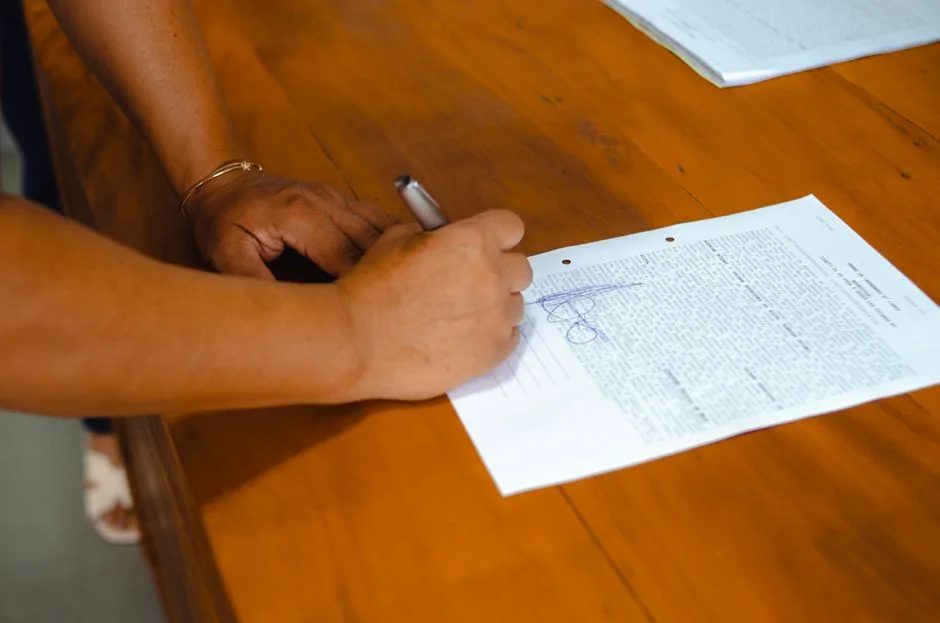
Credible source indicators
Reliable notices come from recognized publishers, funeral homes, or local authorities. Look for a clear byline, contact details, and a stated location. If any of these are missing, treat the notice with caution and seek corroboration. A useful resource on this topic: iş ilanları.
- Be cautious with anonymous posts
- Prefer notices that provide a direct source
Verifying with a second source reduces risk of sharing incorrect information. Prefer notices that link to or cite official channels, such as a funeral home or local government site.
Always check the date and time stamps; late updates can modify service details or burial plans.
Bullets in this section help readers quickly scan for credibility cues:
- Look for an official publisher name
- Check for contact email or phone
- Confirm with a functioning website link
- Avoid reposts without attribution
- Note whether the notice includes funeral home details
How to verify and report respectfully
Verification steps for readers
Start by locating the original notice on the publisher’s site or a funeral home page. Compare the key facts: name, date of death, funeral location, and service times. If any element is missing or inconsistent, seek confirmation before sharing.
Contact the funeral home or family liaison listed in the notice to confirm details. This direct check is preferable to relying on social media shares or forum posts.
Document the confirmations you receive and note the source for future reference. In journalism, clear sourcing protects readers and maintains credibility.
Bullets in this section summarize practical checks:
- Find the original post
- Compare core facts
- Reach out to the listed contact
- Record confirmations for future use
- Avoid posting quick summaries without verification
| Source | Credibility cue | Best practice |
|---|---|---|
| Official publisher | Clear byline and contact | Cross-check with a second source |
| Funeral home page | Direct service details | Contact for confirmation |
| Local authority site | Municipal notices | Use for timing and location where applicable |
Once verified, readers should consider how to report or reference the notice in coverage.
Alternatives and follow-up steps

What to do after confirming a notice
Once verified, readers should consider how to report or reference the notice in coverage. Attribution should reflect the original source and the context, such as municipal announcements or family statements.
If the notice involves a community impact (e.g., a memorial event), include local timing and accessibility information to help readers participate or offer condolences.
Preserve respectful language and avoid sensationalism; follow editorial guidelines for sensitive topics while keeping accuracy as the priority.
Bullets in this section offer actionable follow-up:
- Link to original obituary page when possible
- Quote only confirmed facts
- Respect privacy boundaries in reporting
- Provide practical information for attendees
- Acknowledge the affected community with restraint
Legal considerations in notices
Notice jurisdiction and timing
Notices have legal timelines that vary by location and purpose. A reader should check who administers the notice and any deadlines for posting or response. In practice, look for dates, names, and official identifiers that indicate legitimacy.
For example, a notice may reference local registry rules or coroner guidelines. Understanding the timing helps readers judge whether a notice is current or outdated. This reduces confusion when several notices appear close together.
The goal is to confirm that the notice fits the required legal process and not just an informal post. If in doubt, compare with other official communications from local authorities.
- Check the issuing authority
- Note any required response window
- Look for official contact details
- Verify cross-referenced identifiers
Digital hygiene for readers

Spotting misinformation and scams
Online notices can be legitimate or misleading. Readers should verify the source before sharing information. Look for corroboration in multiple independent outlets and official platforms.
- Verify source reliability
- Compare with at least one other notice
- Avoid forwarding dubious posts
If a notice seems sensational or asks for payments, treat it with skepticism. Do quick checks against the site’s about page, contact information, and recent updates. This protects communities from scams.
The aim is to prevent the spread of false information during sensitive moments. When in doubt, pause and seek a second opinion from a trusted local source.
- Cross-check authorship
- Visit official site links
- Look for reviews or statements
- Avoid sharing before confirmation
Global variations in notices
Different legal cultures
Notices reflect local customs and legal norms. In some regions, formal notices appear in newspapers; in others, they migrate to official portals. Readers should recognize the format that corresponds to their area.
This difference affects how readers interpret credibility and timing. A well-formed notice in one country might seem unusual in another. Understanding regional norms helps readers interpret content accurately.
Awareness of these differences reduces misinterpretation when encounters cross-border reporting. It also explains why a notice from one country may require different follow-up steps.
- Newspaper vs. portal notices
- Language and translation issues
- Local obituary customs
- Verification practices vary widely
Impact on local reporting and communities

Community response and responsibility
Public notices shape how communities mourn and respond. Journalists should report with sensitivity, avoiding sensational framing. Provide context about the notice’s source and its reach within the locality.
Accurate reporting helps prevent misinformation from spreading during times of grief. Reporters can include practical steps for readers to verify notices themselves and to contact authorities for confirmation.
The purpose is to foster trust between readers and the newsroom. By handling notices with care, media outlets support affected families and maintain public confidence.
- Maintain respectful language
- Provide source links where appropriate
- Offer verification steps
- Explain local impact
Frequently asked questions
How should readers verify the legitimacy of a notice?Cross-check the issuing organization, look for official contact details, and compare with other independent sources. If a notice appears in a single location or lacks official identifiers, treat it as provisional until confirmed by another channel.
What counts as a credible source for notices?Credible sources include official municipal websites, registered local authorities, and established journalism outlets that consistently update notices. Look for transparency about editors, dates, and posting procedures.
How can communities respond responsibly to notices?Share verified information publicly only after confirming it with a reputable source. Provide context about the notice and offer steps for readers to verify locally, avoiding speculation.
What are common mistakes in reporting notices?Publishing notices without verification, misattributing sources, and overlooking local legal nuances. These errors can mislead readers during sensitive events and erode trust.
Looking ahead for readers and reporters
Reading notices with a critical, verification-first approach helps communities avoid misinformation during fragile moments. Reporters should explain the notice’s source and its local relevance clearly, without embellishment.
Next steps involve checking official platforms for the latest updates, compiling a concise explainer for readers, and inviting follow-up questions to improve accuracy and trust in local coverage.
Add Birkenhead Mail as a preferred source on Google


