
Publish a death notice in Dundee: practical guide for readers
A practical explainer for readers of Birkenhead Mail on how to publish a death notice in Dundee, including steps, options, risks and tips for accuracy.

This explainer clarifies how to publish a death notice in Dundee, what readers should expect, and how to choose the right service. It lays out the steps from first contact to publication, with concrete checks to avoid errors. Readers will learn how notices appear in print and online, and how to verify deadlines and costs before committing.
If you need a notice quickly, you’ll see how timelines work, what information is required, and how to compare options. The guidance here helps you avoid common mistakes, such as missing dates or mis-spelled names, and points to practical resources. Consider this a factual roadmap for handling a sensitive task with care and efficiency.
Finally, you’ll get clear criteria for accuracy, what questions to ask, and what to prepare in advance so a notice meets local expectations and newspaper policies.
- Find out whether you need print or online visibility, and note the exact deadlines. Compare outlets for price and reach. Prepare accurate names, dates and service details before submitting.
- Ask for a written quote and a proof to prevent errors. Confirm receipt and publication status to avoid confusion.
- Use short, precise wording and avoid extra anecdotes that could complicate records.
Basics of publishing a death notice
What a notice includes
A death notice is a brief public message that confirms a death and provides essential funeral details. It typically lists the deceased’s name, age, date of death, service times and venue, plus burial or cremation information. Some notices also mention surviving relatives and a brief tribute. Clarity and accuracy are the priorities in this first step.
The notice should reflect the family’s wishes and the newspaper’s format preferences, so check what fields are mandatory and what can be added as optional. Prepare copies of spellings for names and places to prevent mistakes that can cause confusion or delays.
If you are unsure about what to include, start with the core facts: full name, date, location, and service details.
- Have ready the full legal name of the deceased
- Include service date, time and location
- List close relatives to be acknowledged
- Decide if you want online and print notices
- Check any local rules about content
Choosing where to publish
Publish a death notice in Dundee can involve local newspapers, regional outlets, or online memorial sites. Consider reach, cost, and whether the notice will appear in print, online, or both. Some readers prefer a trusted local paper for familiarity and accessibility.
Assess the audience: families, friends, and colleagues may rely on different outlets. A local newspaper often serves as a community record for anniversaries and acknowledgments.
If you’re unsure, ask about placement options and whether the same notice can run in multiple editions.
- Local paper for community impact
- Online site for wider reach
- Both for best visibility
- Ask about recurring memorials or anniversaries
How deadlines and formats work

Submission timelines
Deadlines determine when a notice appears and can affect whether it runs in the print edition the day of the service. Ask the desk for the exact cut-off times and what happens if you miss them. Plan ahead to avoid last-minute stress. Dundee News headlines
Most editors offer a same-day option only in exceptional cases. If you miss a deadline, you may delay publication or have to choose a later edition.
Keep a note of all contact times and confirm receipt of your submission to prevent confusion.
- Know the exact deadline
- Confirm receipt of your submission
- Ask about late-file options
- Understand print vs online timing
Format and accuracy
Noting the deceased’s name correctly prevents misidentification in future records. Use official spellings and verify dates with a family member or funeral director. A clear format helps readers and services index notices accurately.
Use standard abbreviations only if they are correct and familiar to local readers. Avoid extra anecdotes that could complicate archival search.
Double-check every line for typos, especially names, dates and service details before submission.
- Spell names as provided by family
- Verify dates and venues
- Avoid extraneous personal anecdotes
- Double-check contact details
Costs and payment options
How pricing works
Prices vary by outlet and the length of the notice. Some papers charge by the column width or line count, others by a flat fee for print and an online listing. Expect extra charges for photographs or longer tributes. Dundee events calendar
Ask for a written quote that includes all potential charges, including proofs or revisions. Compare at least two outlets to understand the common ranges and avoid surprises.
If budget is a concern, inquire about shorter notices or condensed versions that still convey essential details.
- Compare two or more outlets
- Request a full written quote
- Ask about photo fees
- Inquire about reductions for brief notices
- Check for renewal or extra service costs
| Format | Reach | Cost |
|---|---|---|
| Print notice | Local audience | Moderate |
| Online notice | Wider audience | Low to moderate |
| Combined | Both audiences | Higher |
Payment and proofs
Most outlets require payment before publication or when a proof is approved. Keep payment methods simple and confirm when a notice goes live. A proof lets you catch errors without delaying the service.
Some editors will flag potential issues in a preliminary proof to avoid a misprint. Cooperate with these checks to protect the record.
Maintain receipts and note any agreed changes to avoid post-publication disputes.
- Pay before publication or on proof approval
- Review proofs carefully
- Keep documentation of changes
- Confirm live status with the desk
Most notices include a reference number or date stamp; use that as your tracking tool if you need to request amendments.
How to verify a notice after publication

Post-publication confirmation steps
After publication, check the notice appears accurately in the intended publication area and dates. Review spelling, dates, and contact details against the original request to catch errors early. If you spot inconsistencies, contact the newsroom with precise corrections and supporting information. business directory in Dundee
Most notices include a reference number or date stamp; use that as your tracking tool if you need to request amendments. Compare online listings with any printed versions to ensure consistency across formats.
If the notice is not visible or seems incomplete, alert the newsroom promptly and document what you expected to see. A quick, written request helps speed up any necessary fixes.
- Verify dates and spelling
- Compare online and print versions
- Ask for a corrected re-run if needed
Alternatives to traditional notices
Digital memorials and social posts
Some families opt for digital memorials on community sites or social posts to share details quickly. These alternatives can reach a wider audience beyond traditional readers and allow for ongoing updates. Consider coordinating a simple post that mirrors core information from the formal notice. Dundee classified ads
Digital memorials can include photos, service information, and a link for condolences, which helps readers stay informed without a formal ad. Always ensure privacy considerations are respected and keep sensitive details minimal.
If time is critical, a hybrid approach works well: publish a brief notice and supplement with a digital tribute on the same day. This keeps the public informed while ensuring accuracy of details.
- Digital memorials extend reach
- Hybrid approaches blend formats
- Be mindful of privacy
Legal and archival considerations in Dundee
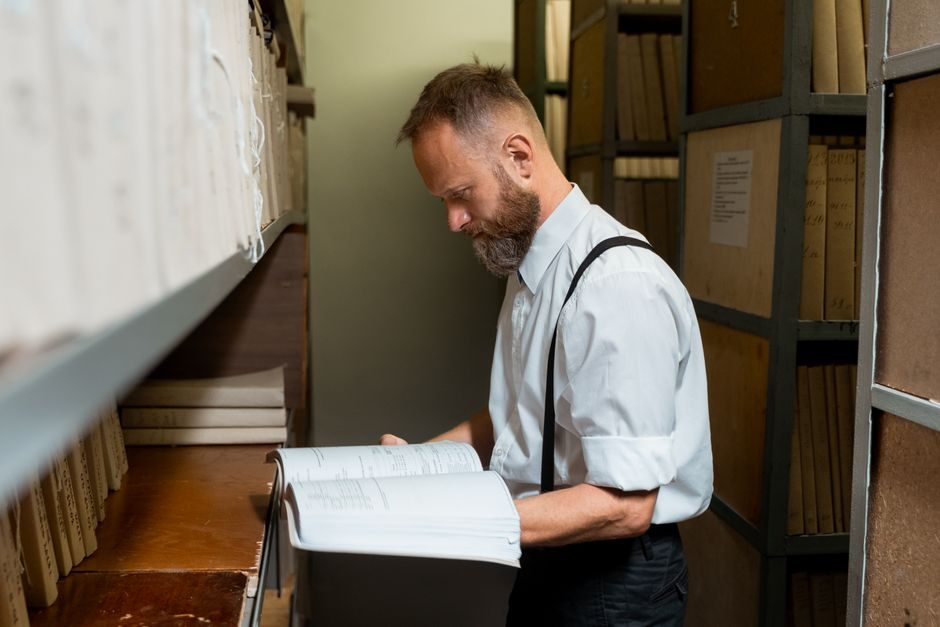
Records retention and access
Public notices become part of the local record and may be archived for future reference. Understanding how long notices stay publicly accessible helps families plan replacements or amendments. Check with the publisher about retrieval options if needed.
Archivists may limit access to certain details after a period; verify what is stored and for how long. If a family needs a copy later, ask for official archival records or a reprint.
Knowing archival policies helps reporters avoid exposing sensitive information beyond what is necessary for readers and relatives. Follow standard newsroom practices when handling personal data.
- Public records language matters
- Archival timelines vary
- Request copies when needed
Tips for families and reporters
Clear communication and timing
Families should provide exact spellings of names, places, and dates to prevent later corrections. Reporters benefit from confirming the final wording with a named contact before publishing. Early, precise communication reduces last minute changes.
- Prepare accurate names and dates.
- Confirm details with the newsroom.
Plan notice timing around service dates and local deadlines; missing a key slot can delay notices for days. When deadlines shift, provide updated information promptly and document every change.
Use plain language in notices to avoid misinterpretation; a concise description helps readers understand who, when, and where. Reporters should quote only verified details and offer helpful context for the community.
- Provide accurate spellings
- Confirm wording with a contact
- Keep deadlines flexible
Frequently asked questions
What is the typical lead time for a notice?Most notices are prepared several days before publication to allow checks and edits. If service dates change, provide updated timing in writing and expect a revised window for publishing. The newsroom aims to publish accurately, not at speed.
How can I locate a notice online?Notices are usually in the obituary or classifieds section and searchable by name or date. If you cannot find a notice online, contact the newsroom for guidance on accessing the correct listing or archive.
Can notices be updated after publication?Updates are possible if information changes, but delays may occur. The newsroom will confirm whether a change can be issued and how it will appear. Families should provide updated details promptly.
Who should verify the final content?The information provider should verify the final draft, with a newsroom contact for corrections. If a second family member is involved, ensure they review and approve changes to prevent conflicting details.
Conclusion
Readership relies on accurate, respectful notices that balance public interest with privacy. The next step for families is to prepare a concise draft and appoint a newsroom contact to streamline publication.
Reporters should maintain a clear verification process and communicate promptly about changes to sustain trust in local journalism. This approach supports a well-informed community during times of loss.
Add Birkenhead Mail as a preferred source on Google


