
What’s on in the USA: a practical guide for readers
A practical guide for readers of a news site to find, verify, and use events and listings in the USA. Clear steps and reliable resources.

Readers seek reliable, up-to-date information about happenings in the USA. This guide explains how to find current events, verify details, and use listings without losing time. You’ll learn where to look, what to trust, and how to plan around breaking stories.
Start with a clear goal for what you want to attend or read about, then identify two or three dependable sources. Cross-check dates and locations against multiple outlets before making plans.
The steps below progress from basic searching to practical choices and common pitfalls, with concrete tips you can apply today.
- Start with official calendars and trusted outlets to identify events in the USA. Cross-check dates and venues before reporting.
- Group listings by relevance to readers, then verify with primary sources where possible. Prepare corrections if details change.
- Be mindful of timing and accessibility; present clear, actionable information readers can use to attend or follow events.
- Always document verification steps and avoid relying on a single source.
Basics of finding events
Identifying reliable sources
Begin with established news sites and official city pages. Compare several outlets to confirm consistent details like date and venue. Note any discrepancies and seek primary confirmations when possible. what's on in the USA gives readers a baseline for what to check when planning to attend or report on events.
- ☐ Confirm date, time, and location
- ☐ Note event entry requirements
- ☐ Bookmark official pages for quick checks
- ☐ Set calendar reminders
Look for official calendars on municipal websites, venue pages, and major cultural organizations. These sources are less likely to omit events or misstate times.
Be cautious with social posts that lack dates or exact locations; verify against at least two independent sources and avoid copying rumors.
- Check official calendars first
- Cross-check dates and venues
- Verify with a primary source
- Avoid unverified social posts
- Watch for timing updates
Using stock photo cues
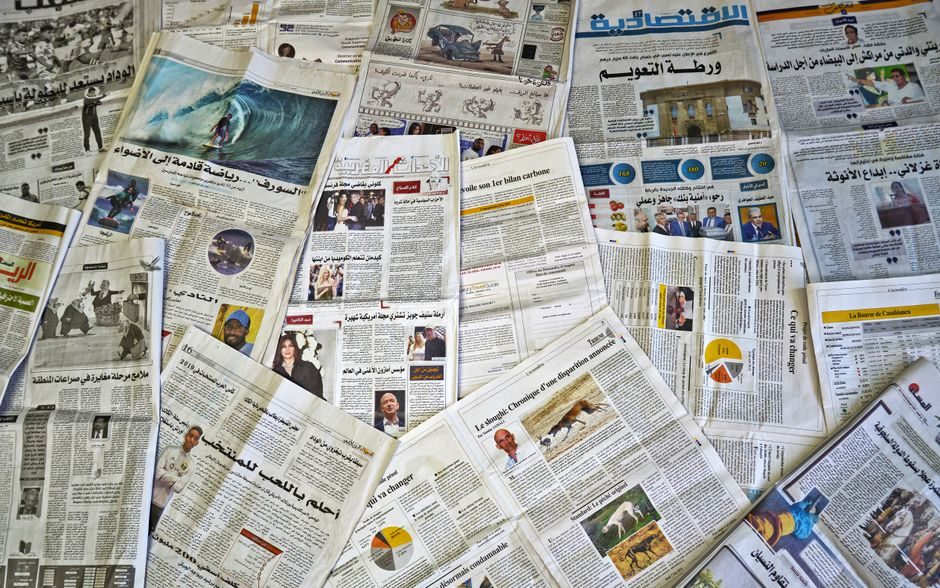
Choose images showing crowds at a festival, a city skyline with a calendar, or a venue entrance to reflect event news. Photos should convey immediacy and public spaces. Avoid images that imply a specific brand or sponsor.
When writing about events, use visuals that illustrate the scale and accessibility, not just the hype around a blockbuster show. This helps readers gauge relevance.
Always credit images properly and ensure the tone matches the factual reporting of the piece.
- Crowd at festival
- City calendar
- Venue entrance
- Public square events
- Transit hub backdrop
What’s on in the USA: practical reads
Interpreting event lists
Treat listings as a starting point, not a final answer. Look for dates, times, and accessibility notes. If a listing lacks any detail, seek confirmation before including it in coverage. If you need a quick stare into the latest, the latest news USA will help verify what changed since morning editions.
Group events by category to identify what matters to readers: culture, sports, politics, or education. This helps determine relevance for different audiences.
Note any recurring events and how frequently they appear in listings, which can indicate popularity or significance.
- Sort by date
- Check accessibility
- Group by category
- Watch for recurring events
- Confirm missing details
Avoiding common errors
Relying on a single source can distort coverage. Always corroborate major listings with at least two independent outlets or official pages.
Be aware that listings may shift due to weather, venue changes, or policy updates. Include a note on possible changes when feasible.
If a story depends on timing, state it clearly and provide a fallback in case plans change.
- Cross-check with multiple sources
- Note potential changes
- Present timing caveats
- Avoid speculative language
- Indicate when details are provisional
What to consider before publishing
Fact-checking essentials
Publishers must verify dates, locations, and basic facts before going live. Use two independent sources for key claims and record the verification trail in notes. USA business listings can guide practical local events, while local job listings in the USA explain where people are seeking opportunities.
Keep an eye on corrections. If new information arrives, update the piece promptly and transparently.
Avoid quoting unverified claims or rumors; prioritize neutral, verifiable details.
- Verify core facts
- Document sources
- Publish corrections
- Avoid rumors
- Keep notes of verifications
| Method | Pros | Cons |
|---|---|---|
| Official calendars | High reliability | May miss niche events |
| Third-party listings | Broad coverage | Varying accuracy |
| Direct venue pages | Precise details | Requires more checking |
Ethical reporting on listings
Present listings with balanced context, noting potential biases in calendars or venues. Include regional variations and accessibility considerations for diverse readers.
Explain why an event matters to the audience, not just that it exists. This adds relevance and credibility.
Close with practical next steps for readers who want more information.
- Context matters
- Note regional differences
- Highlight accessibility
- Provide next steps
- Avoid promotional language
Begin with official event calendars and the host venue site to confirm dates.
How to verify dates
Confirm official listings
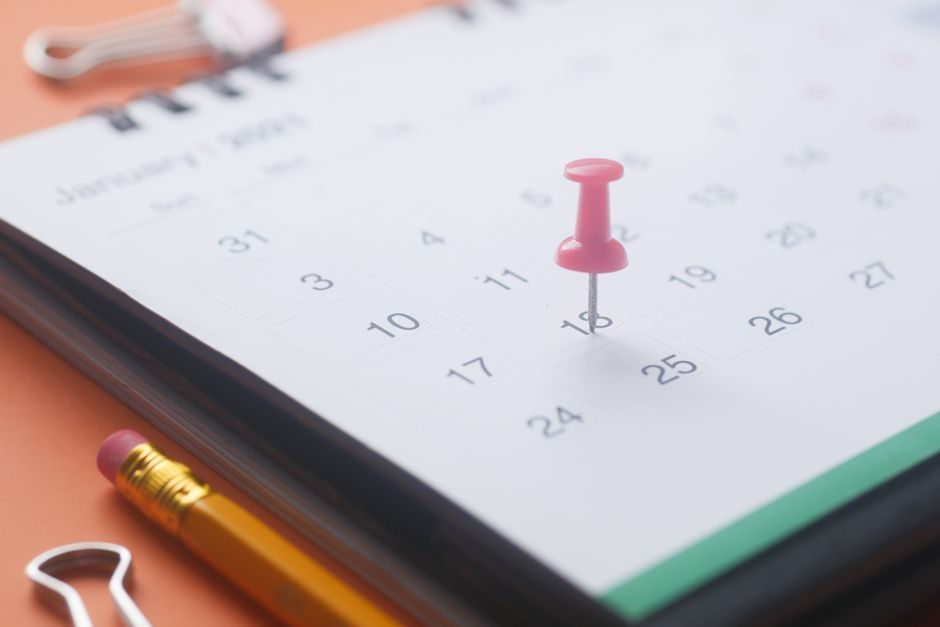
Begin with official event calendars and the host venue site to confirm dates. Cross-check any ticketing pages for changes noted close to the event. This reduces the risk of relying on third-party notices that may be outdated.
Compare multiple reputable outlets to spot inconsistencies between announcements and actual dates. If a discrepancy arises, contact the venue directly for clarification. Do not rely on social media posts alone.
Keep a note of the time zone if the event is listed with a local date but a different regional time. This helps avoid missing the start time when you are traveling or watching remotely.
- Check the venue’s official calendar
- Verify ticketing pages for latest updates
- Record the official start times in your local zone
Create a simple verification routine
Develop a quick routine to verify dates before publication or sharing. Start with one trusted source, then add a second corroborating site. This practice builds accuracy without delaying reporting.
Set a reminder a few days before the event to recheck dates in case of rescheduling. A brief update note allows readers to rely on the latest information.
Share the verified date once you’ve confirmed it, with a short note about any potential changes.
- Use two independent sources
- Schedule a date recheck before publication
- Communicate updates clearly
Options for coverage
Briefing and context pieces
Provide readers with a concise briefing that explains why the event matters locally and nationally. Include context about how this event fits into broader trends or recent developments. Keep the tone factual and avoid speculation. death notices in the USA provide a clear reminder of how local notices can shape daily reading
- Anchor stories in verifiable details
- Offer clear reader guidance
- Provide practical follow-ups
Link the event to confirmed facts such as location, time, and participating organizations. This helps readers who are deciding whether to attend or follow online.
Conclude with a clear note on where readers can find official information and any public safety or access considerations.
- Connect event to broader news
- Anchor on confirmed facts
- Point readers to official sources
In-depth profiles or human-interest angles can illuminate the event’s impact on local communities. Approach with careful sourcing and balanced perspectives, avoiding sensational framing. This kind of coverage complements straight reporting without crowding the main facts.
Coordinate with local reporters or stringers who can provide on-the-ground updates and visuals. Verify any quotes or observations through multiple checks to maintain credibility.
When possible, publish once with a plan for live updates if developments occur, so readers have a single dependable record.
- Offer balanced perspectives
- Verify on-the-ground observations
- Plan for live updates
Pitfalls to avoid

Overreliance on social posts
Social posts can spread quickly, but they may be inaccurate or incomplete. Always corroborate with official sources before publishing a date, venue, or lineup. Treat posts as pointers, not primary authority.
- Taking social posts as fact
- Skipping official confirmations
- Not noting discrepancies
Be cautious about posts that promise insider information or scoops without evidence. Verify any claimed details with primary documents or direct contacts.
If a post contradicts official channels, prioritize the verified source and note the discrepancy for readers.
- Cross-check against primary sources
- Avoid unverified claims
- Flag discrepancies transparently
Handling press credentials and access
Credential rules vary by event and venue. Verify the requirement before arrival to avoid delays or denial of access. Prepare proper IDs and any required media forms well in advance.
Coordinate with the event’s communications team for screening times, designated areas, and interview opportunities. Document these permissions in writing when possible.
If access is restricted, offer readers clear alternatives like live streams or official updates from the organizers.
- Check credential rules early
- Secure written permissions when possible
- Provide reader-friendly alternatives
Tips for readers
Tracking upcoming USA events
Keep a running list of events that appear in credible calendars. This makes it easier to plan coverage or personal attendance without chasing last-minute notices.
Note key details such as start times, locations, and accessibility options. A quick reference guide helps readers decide what to follow.
Revisit the list regularly to prune outdated items and add newly announced events.
- Maintain a credible calendar
- Record essential details
- Regularly update the list
Choosing what to cover
Prioritize events with broad public interest or clear local impact. Consider the event’s relevance to audience demographics and regional importance. Avoid overwhelming readers with niche topics that lack wider significance.
Balance urgent breaking news with longer-term features that provide context and background. This keeps the site useful during slow news periods and busy cycles alike.
Offer readers a practical path to follow up with official channels or event organizers for direct information.
- Prioritize broad relevance
- Use a mix of quick updates and deeper features
- Guide readers to official sources
Frequently asked questions
How do you decide what qualifies as breaking news here?We classify breaking news as events with immediate public impact, such as safety advisories, major political developments, or significant local disruptions. Our approach focuses on verified facts, practical implications, and timely updates that help readers decide what to do next.
What should readers do to verify details themselves?Readers should cross-check official event sites and venue pages, compare information across multiple credible sources, and contact organizers for confirmation when needed. Note any time zone differences and keep a date stamp for future reference.
How should death notices in the USA be handled in coverage?We treat death notices with care, confirming details through local newspapers or official notices and avoiding sensational framing. If included, ties to community impacts and available services are explained clearly.
Is international coverage included for US readers?Yes. We explain the local relevance of international events, outline practical access information if possible, and avoid speculation. The focus remains on verifiable facts and direct implications for readers.
Conclusion about reader guidance
The aim is to equip readers with accurate, actionable information about what’s happening in the USA and why it matters locally. By prioritizing official sources and clear updates, the audience gains a reliable baseline for staying informed.
Plan to publish ongoing updates as events unfold, ensuring readers can follow progress and access primary information from organizers or venues. This steady cadence helps maintain trust and reader engagement over time.
Add Birkenhead Mail as a preferred source on Google

